INTIMATE GEOGRAPHIES
It was a new pleasure to find someone to understand each other with, being so far from home.
GABRIEL GARCÍA MÁRQUEZ
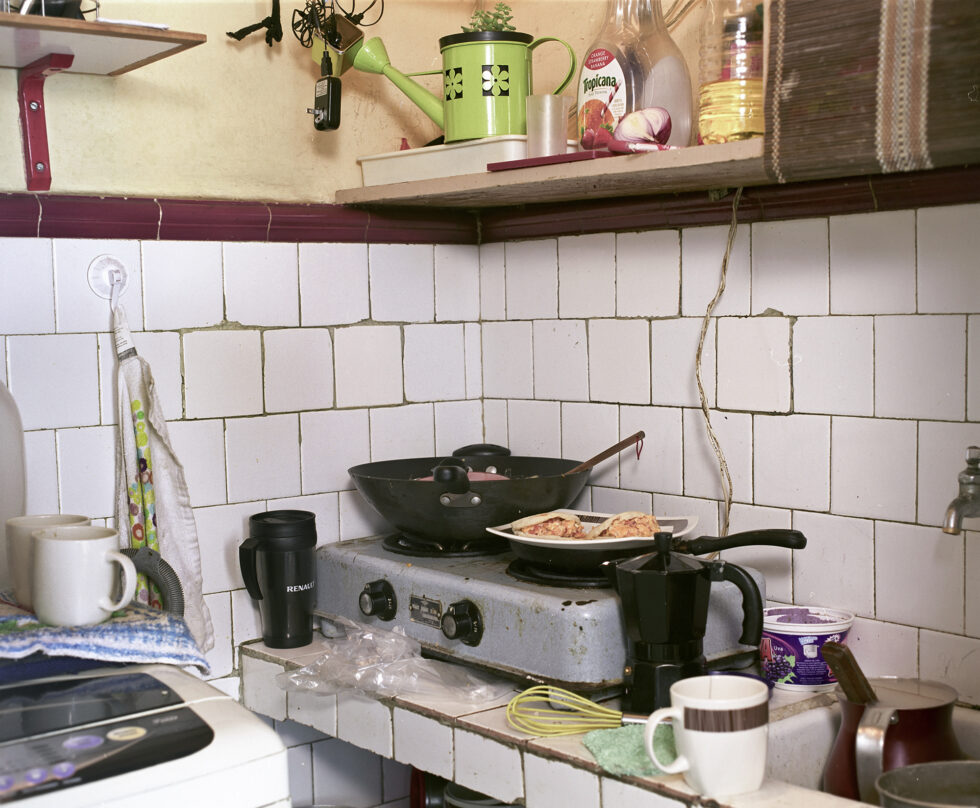
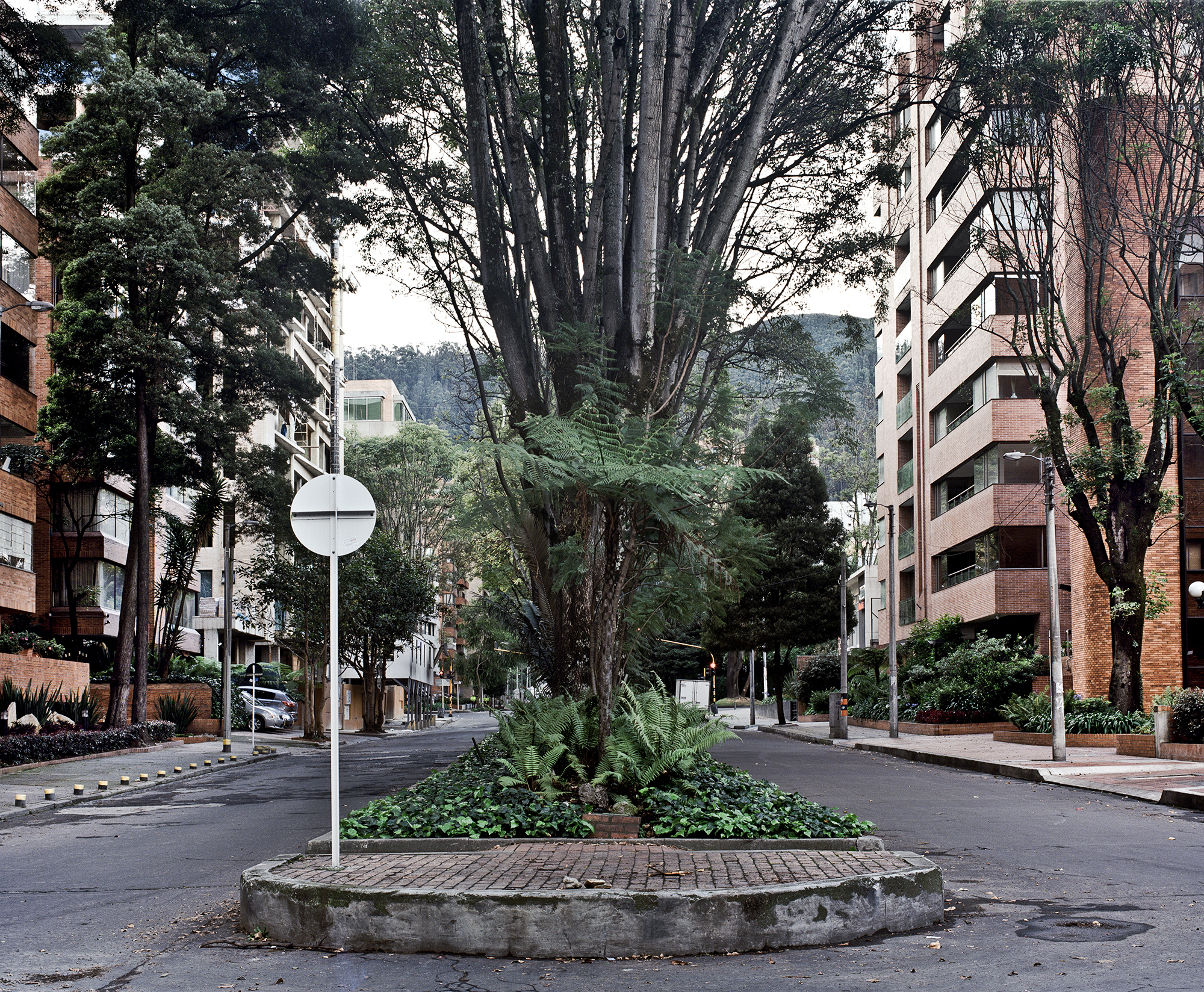
On Carrera 3A at Calle 19 Sur, someone has torontos, pirulines y diablitos1, and on Calle 82 at 8A, tequeños2 are never missing from the table. On Calle 21, a block down from Plaza de Las Nieves, they’ll offer you an arepa3 filled with a bit of Kraft mayonnaise. At the movies, people buy cotufas4 and at Christmas they eat hallaca5 with pan de jamón. On Calle 107 at 69B, on a second floor, there´s a framed image of Francisco de Miranda; on Carrera 1A at 70, cambures6 are everywhere, and somewhere in Cedritos Neighborhood, la Chinita7 hangs on a wall.
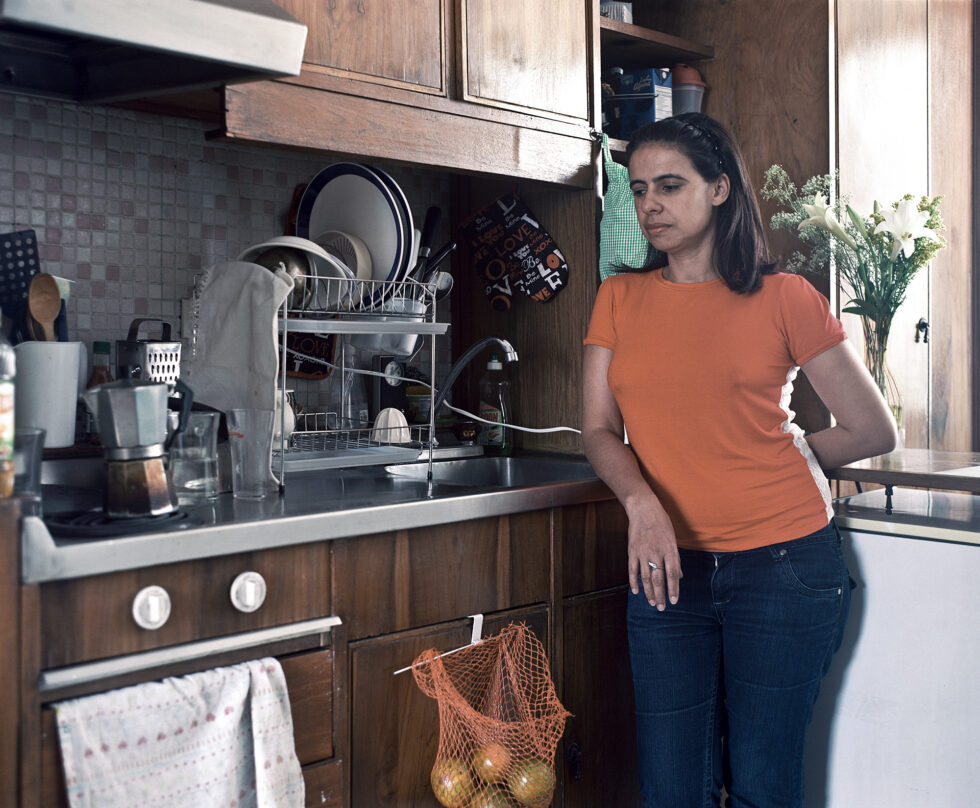
In these same places, and in an apartment in Chicó Neighborhood, someone still wears coleto8, and on Calle 155 at 7A, someone makes cachapas9 with plenty of cheese.
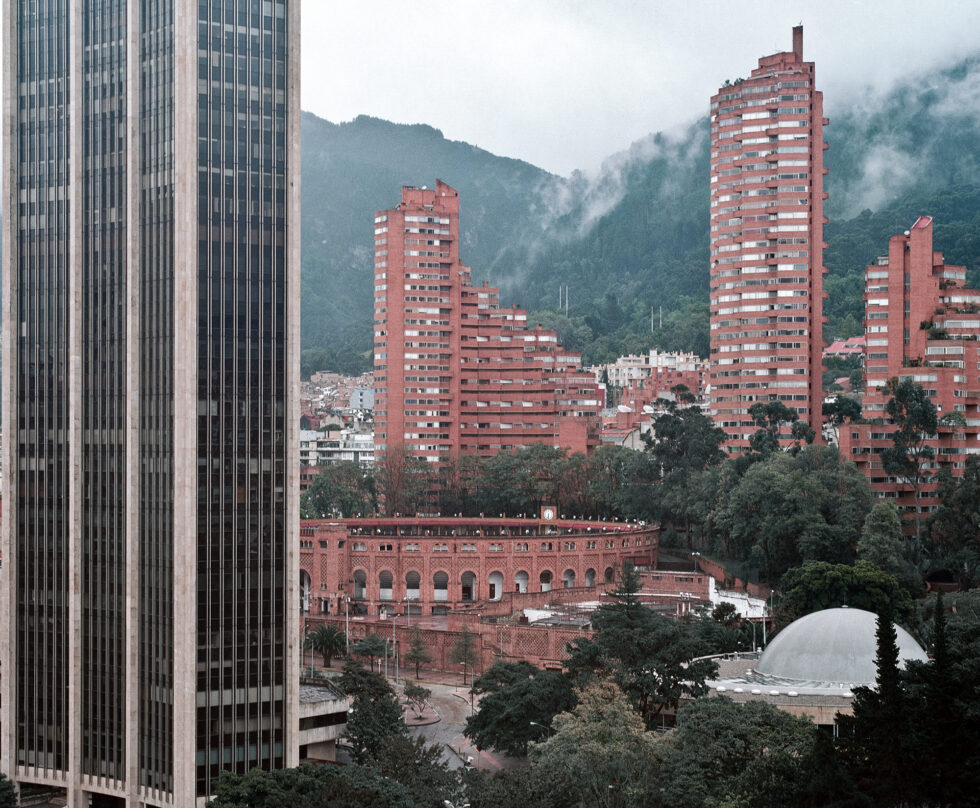
Meanwhile, the word chamo10, has fallen out of use in Chapinero neighborhood and in Torres del Parque. And yet, it’s still fino11 when the sun comes out in these places — but when the catire 12 hides: ¡molleja de frío!13
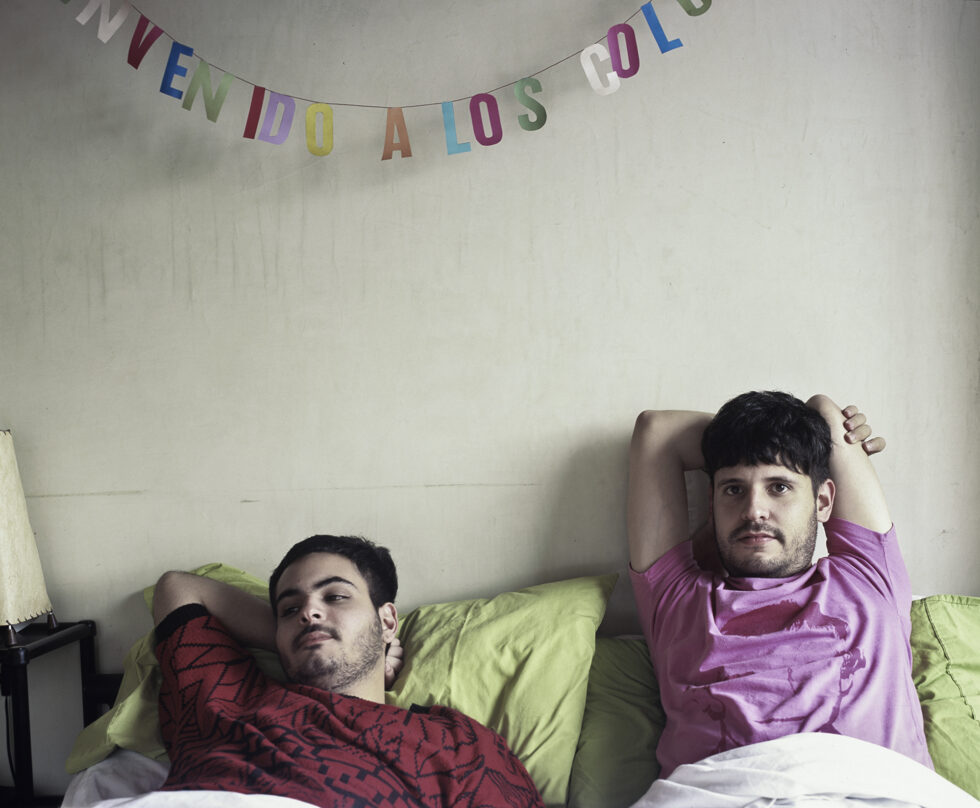
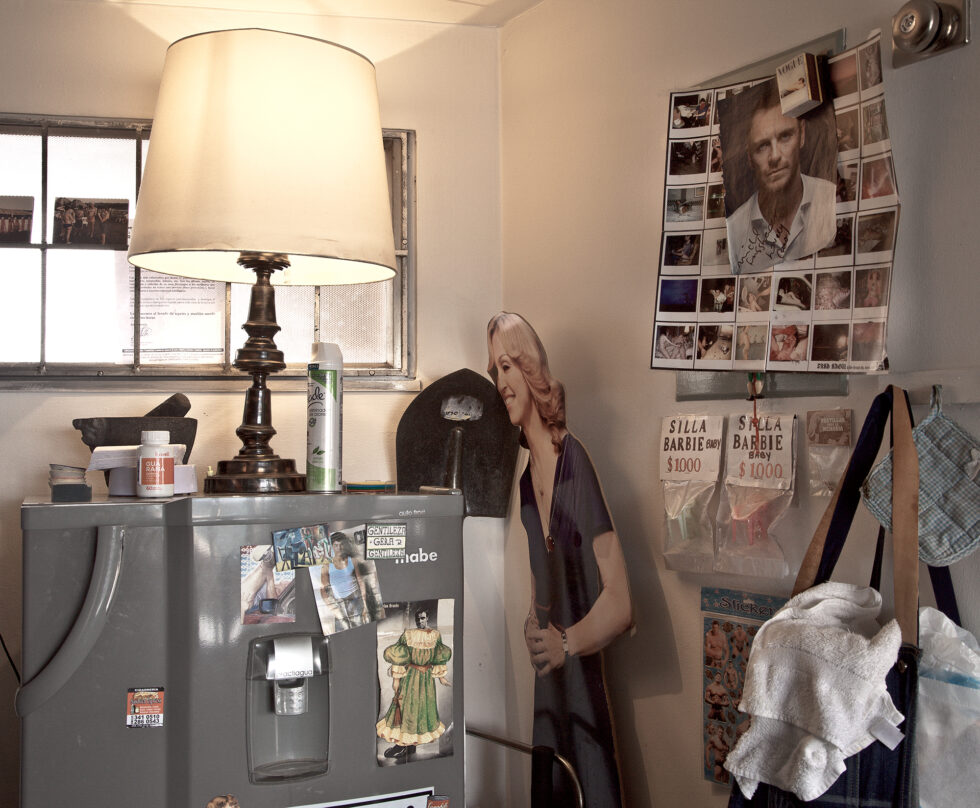
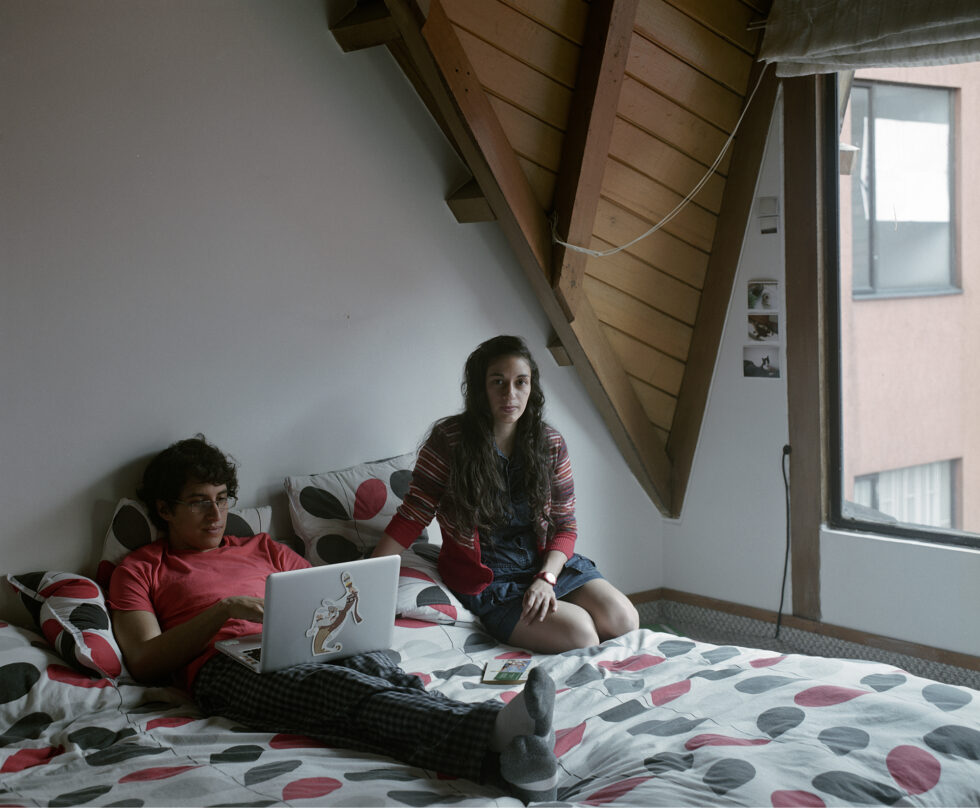
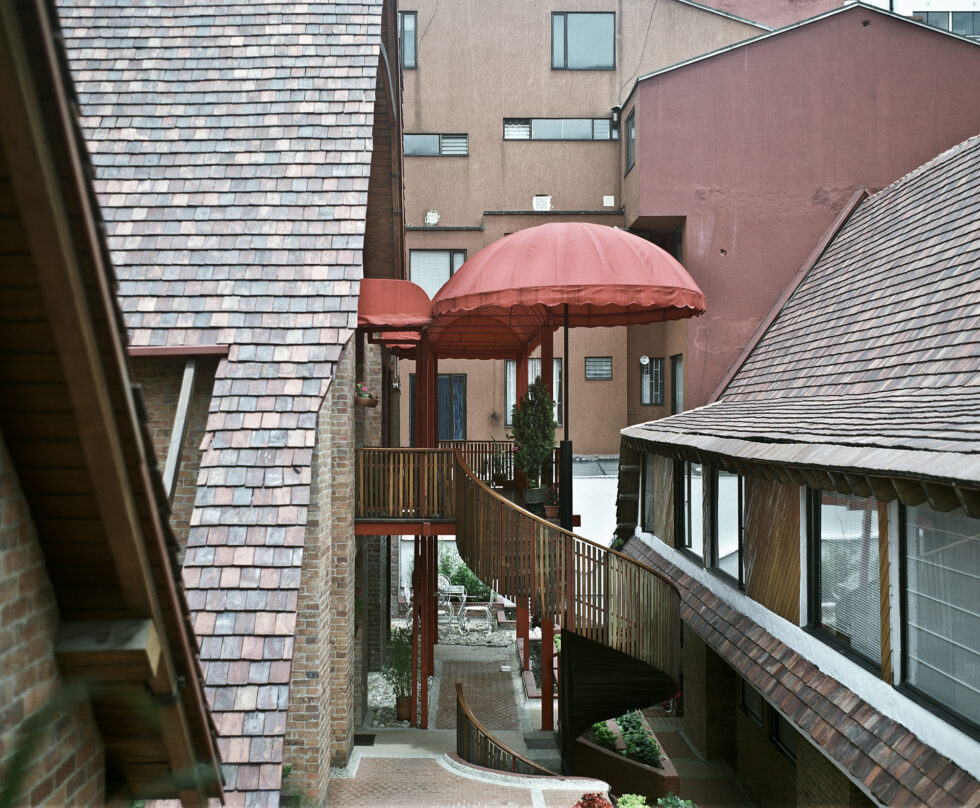
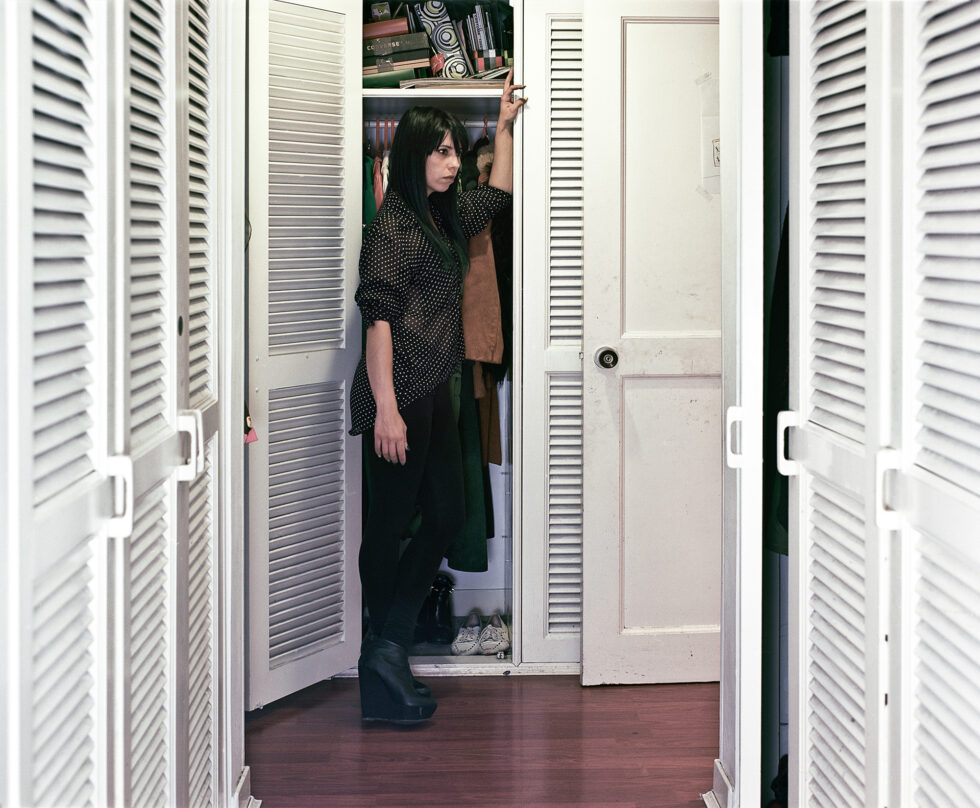
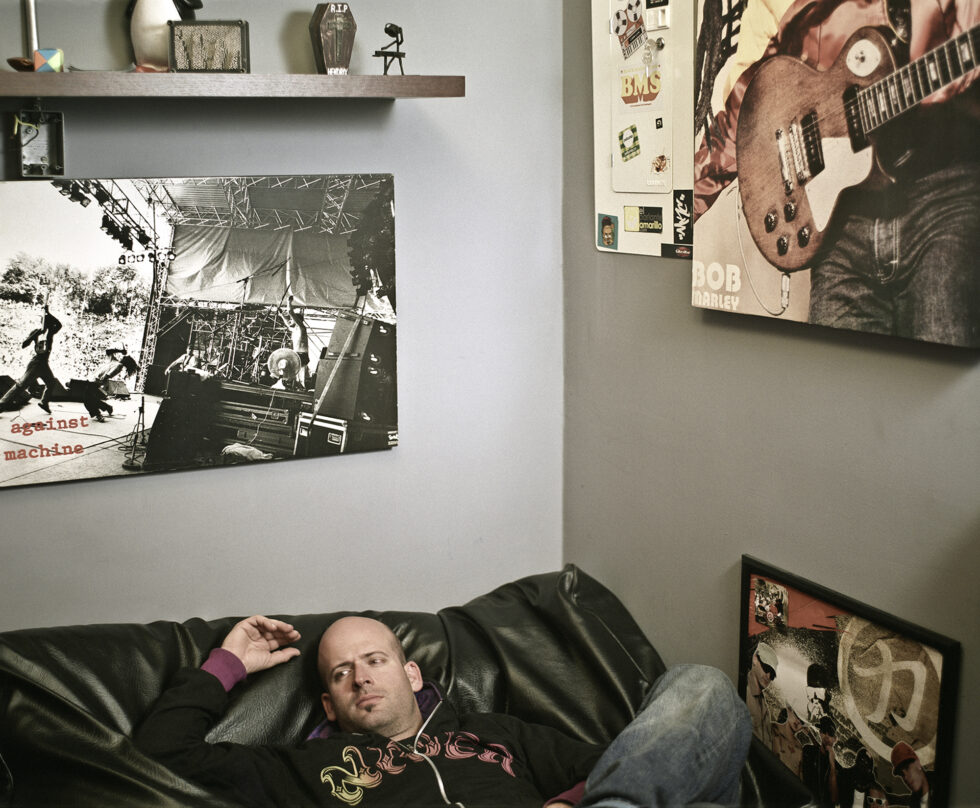
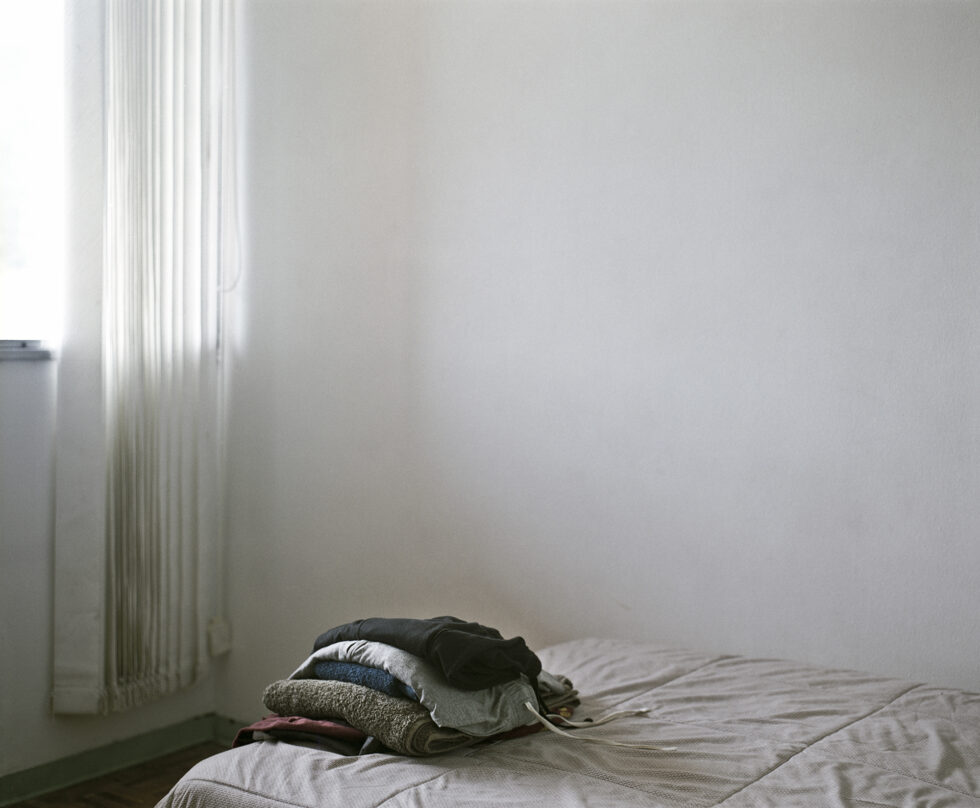
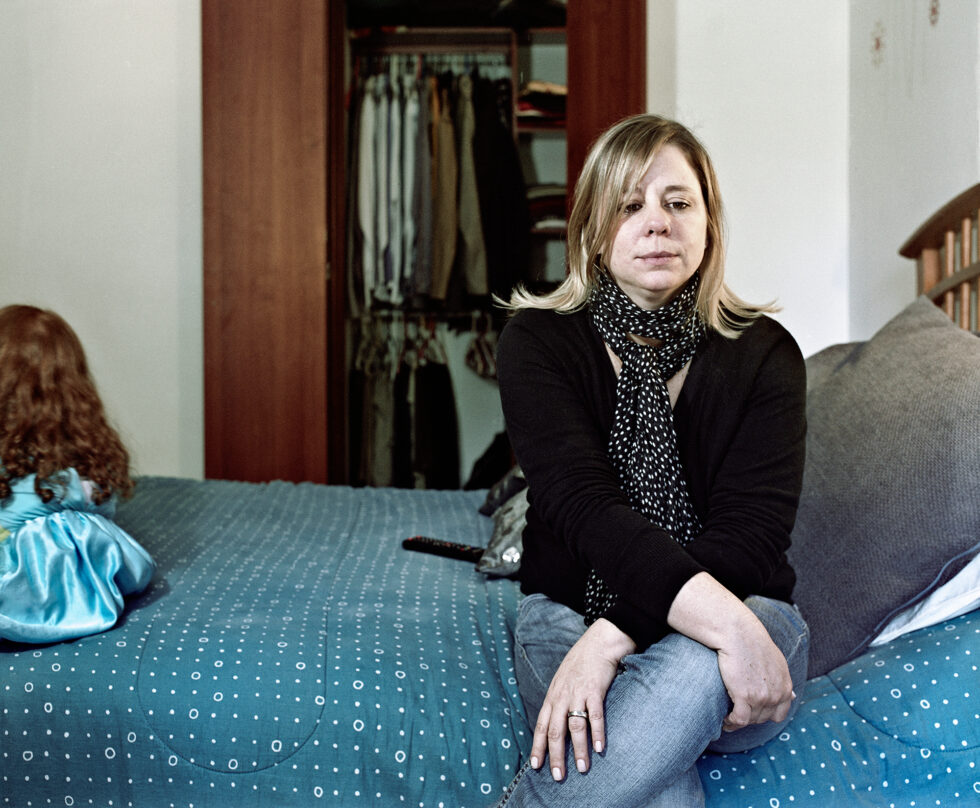
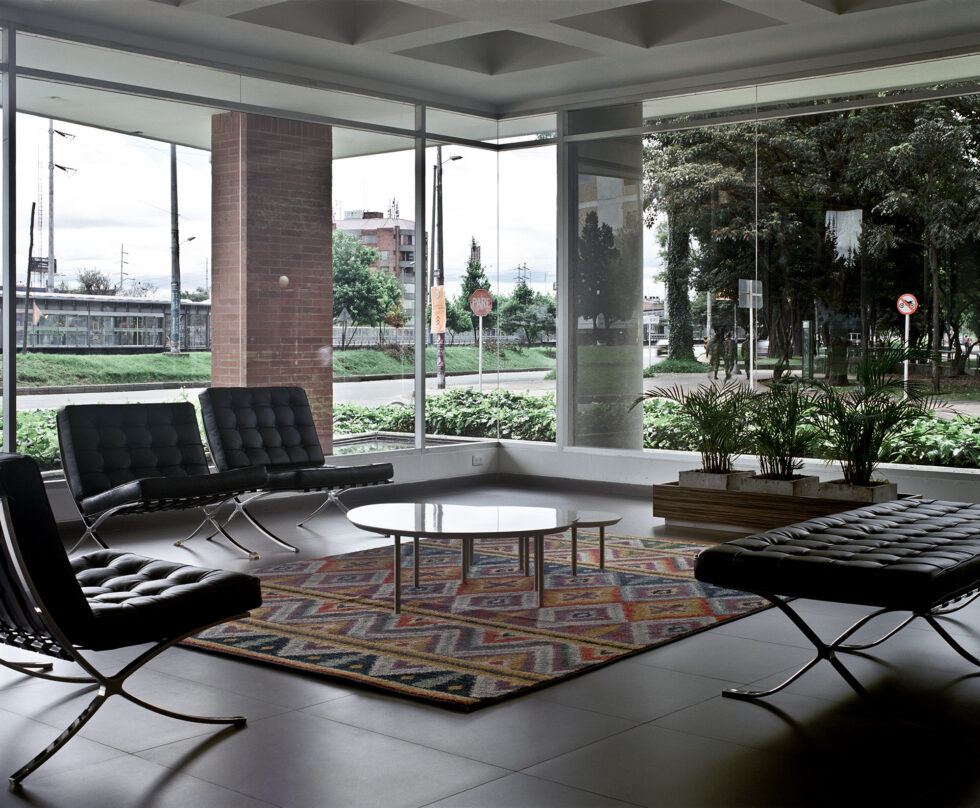
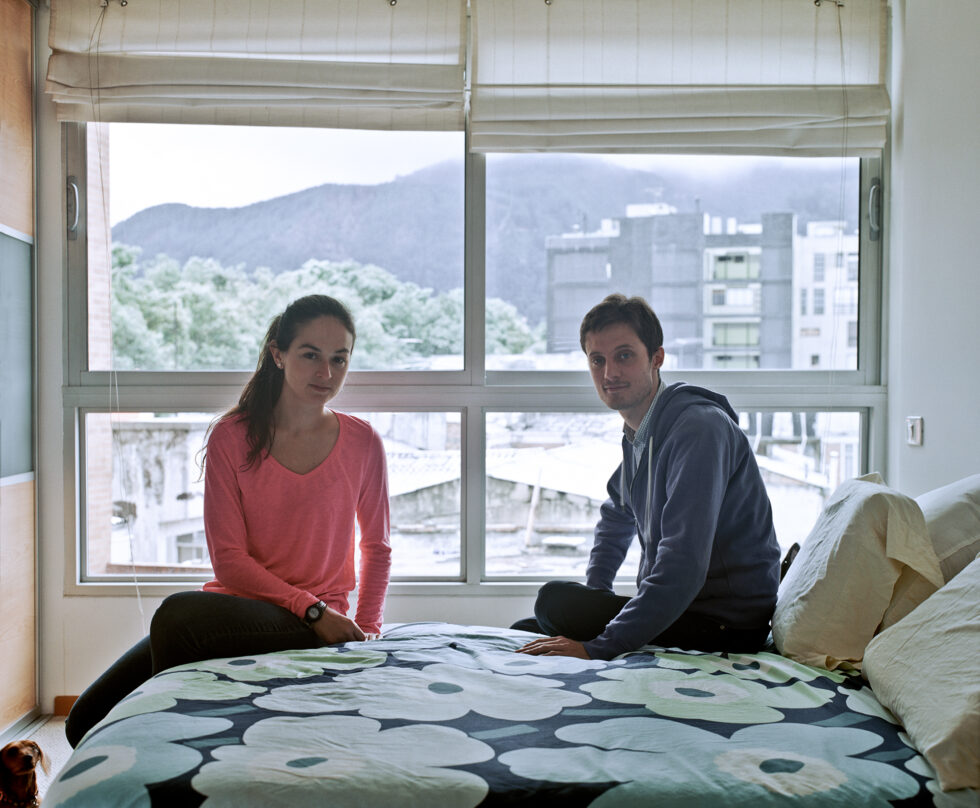
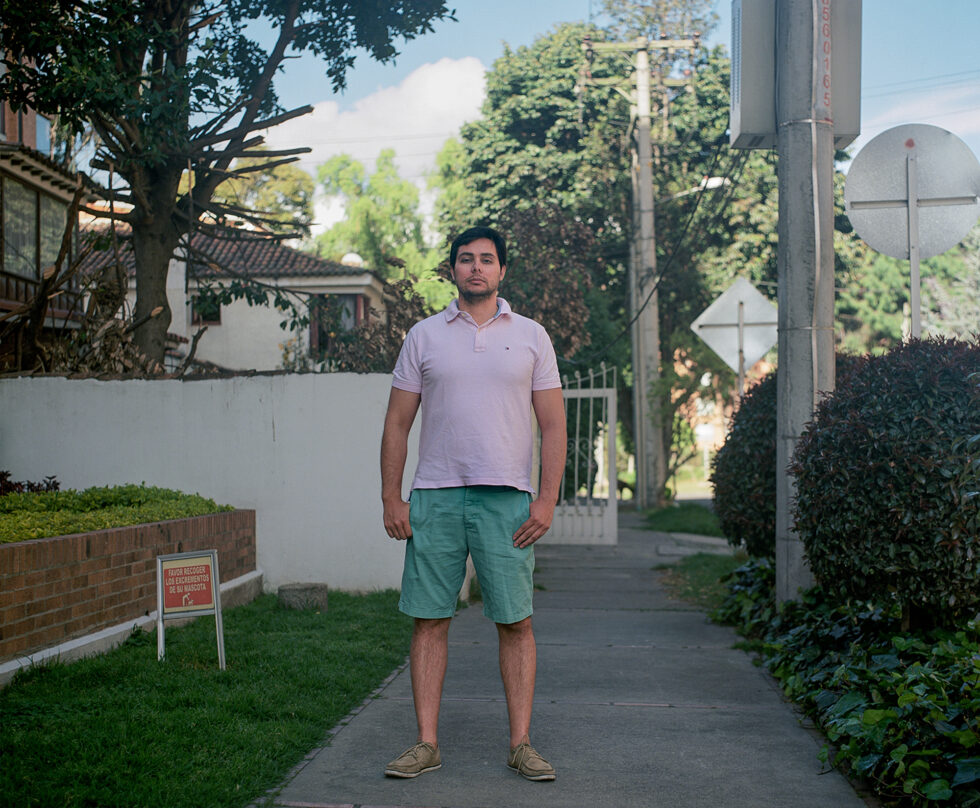
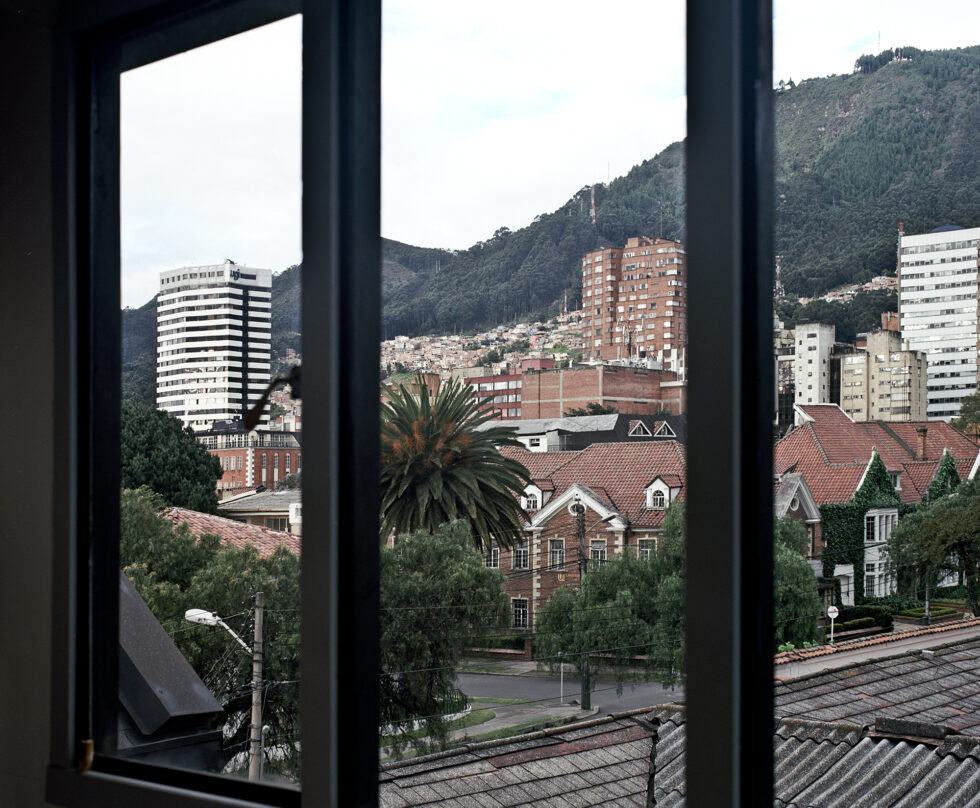
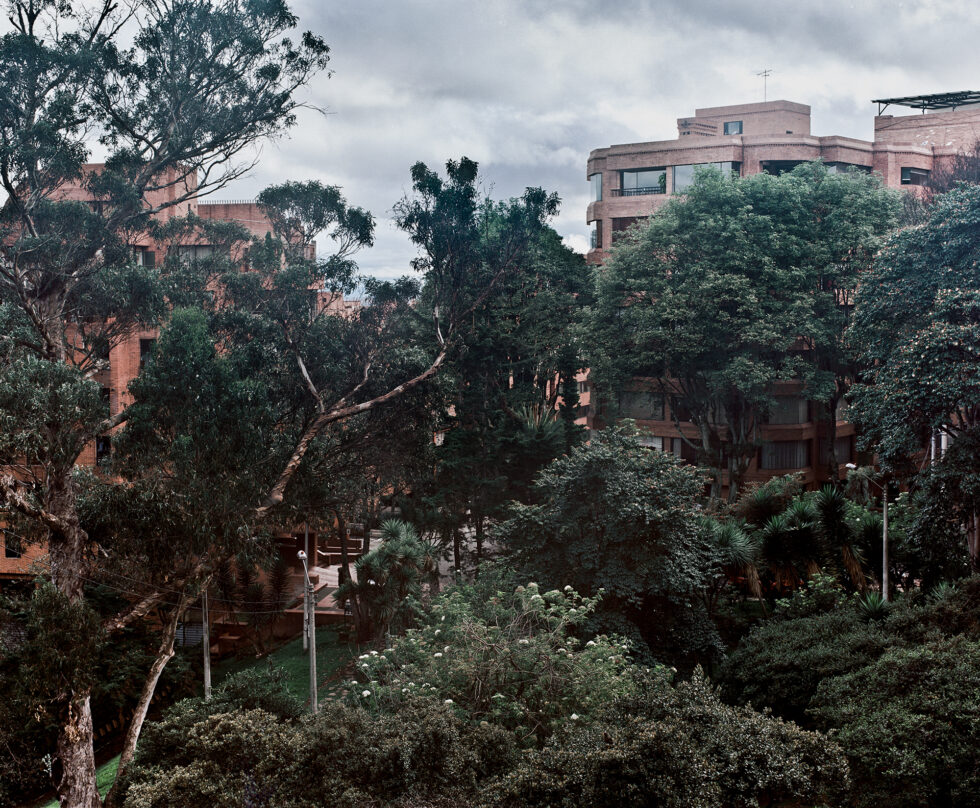
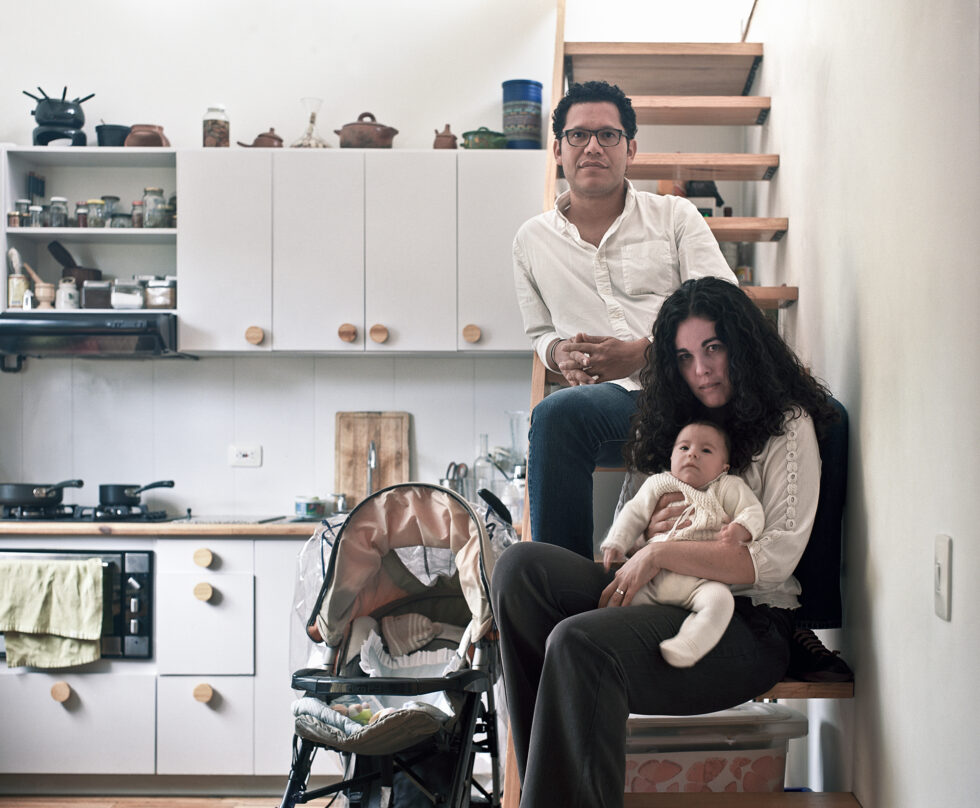
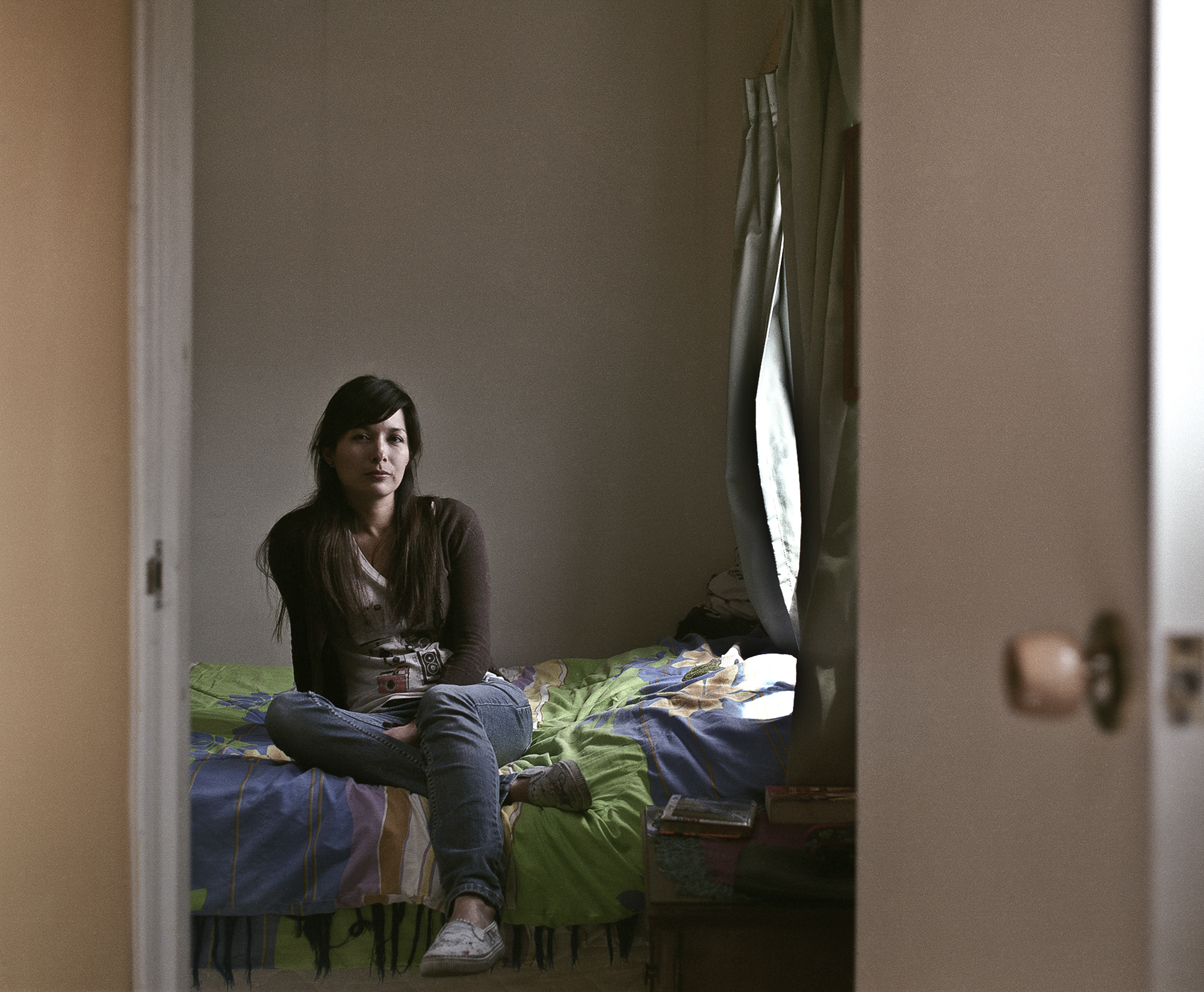
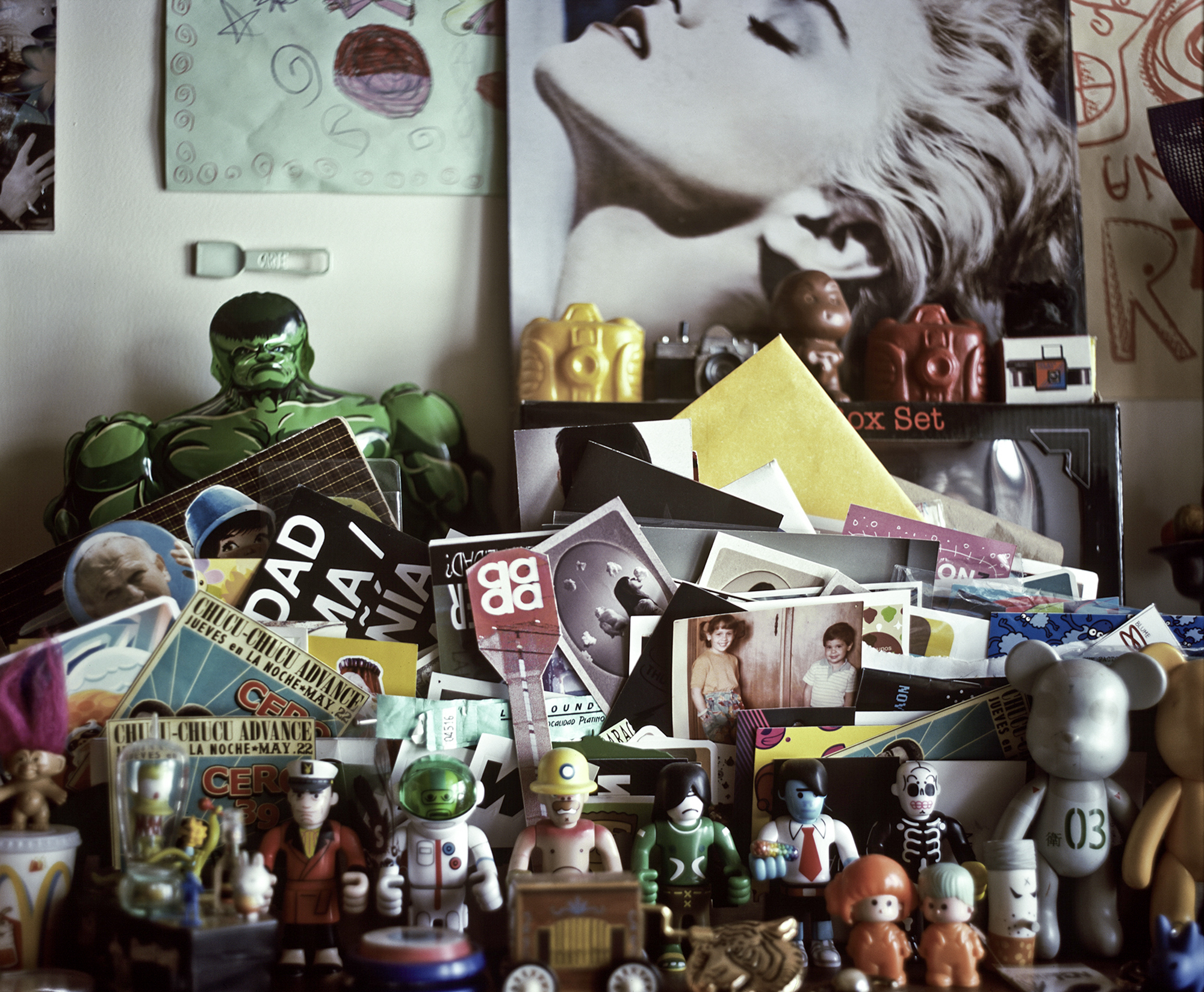
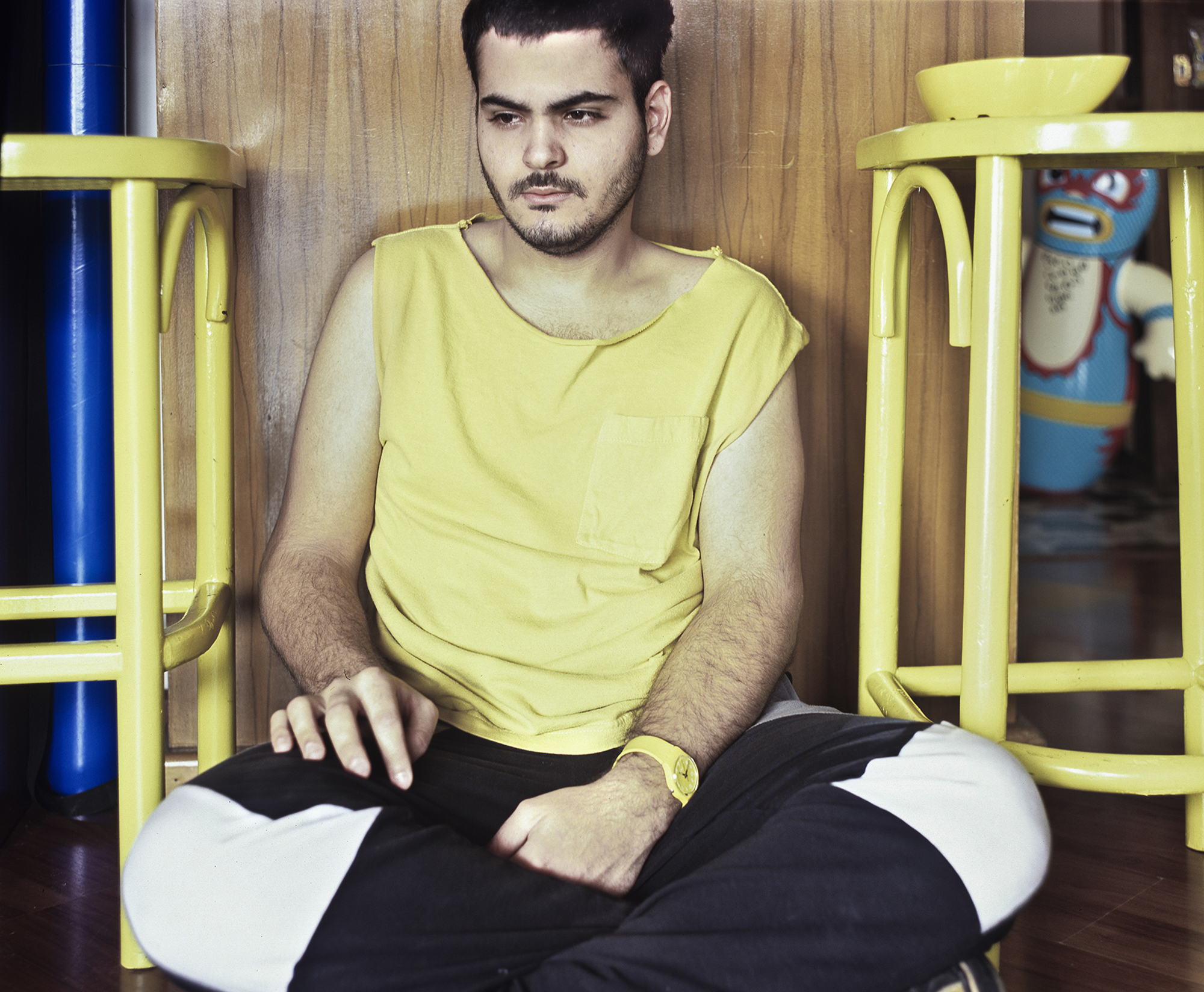
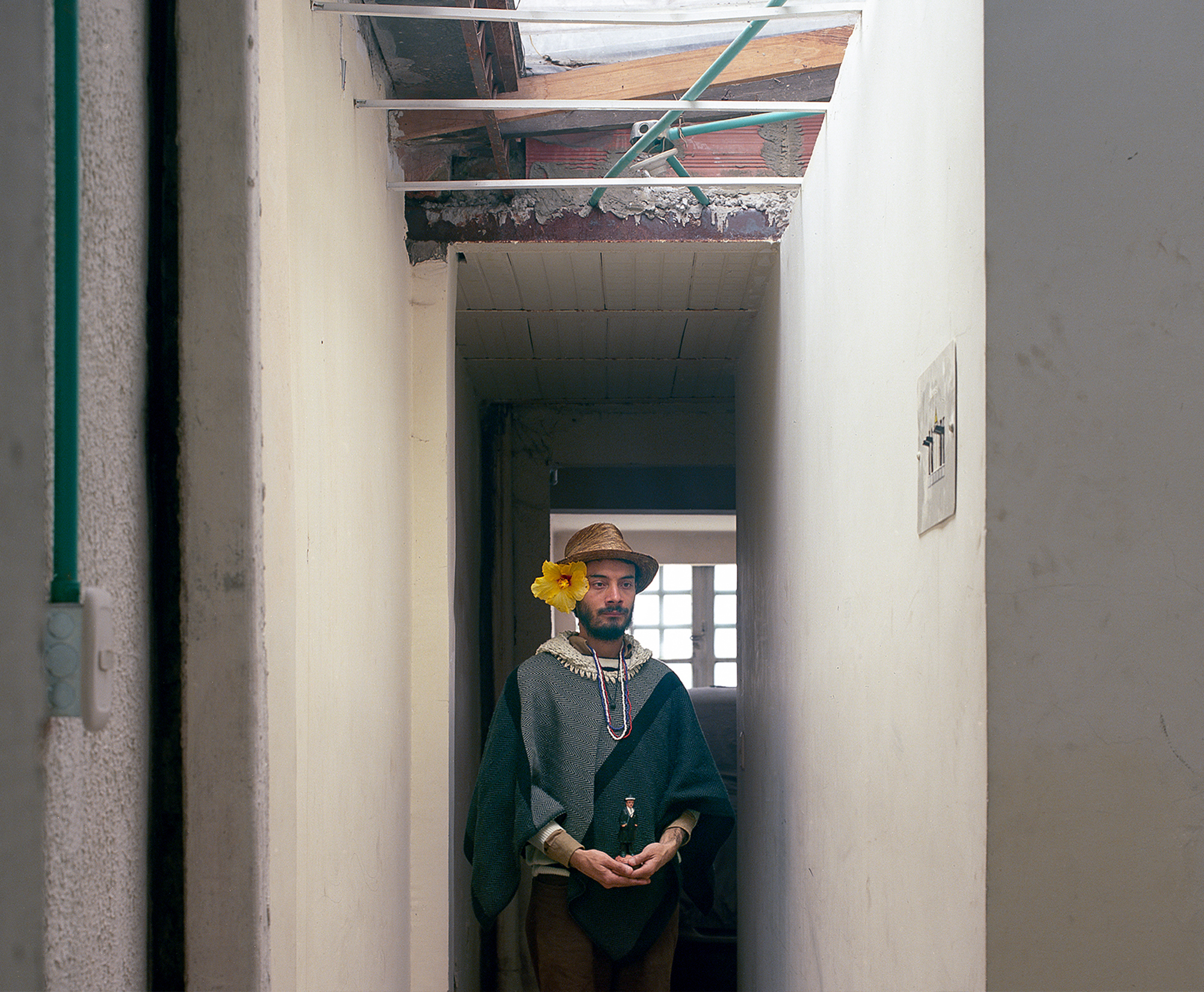
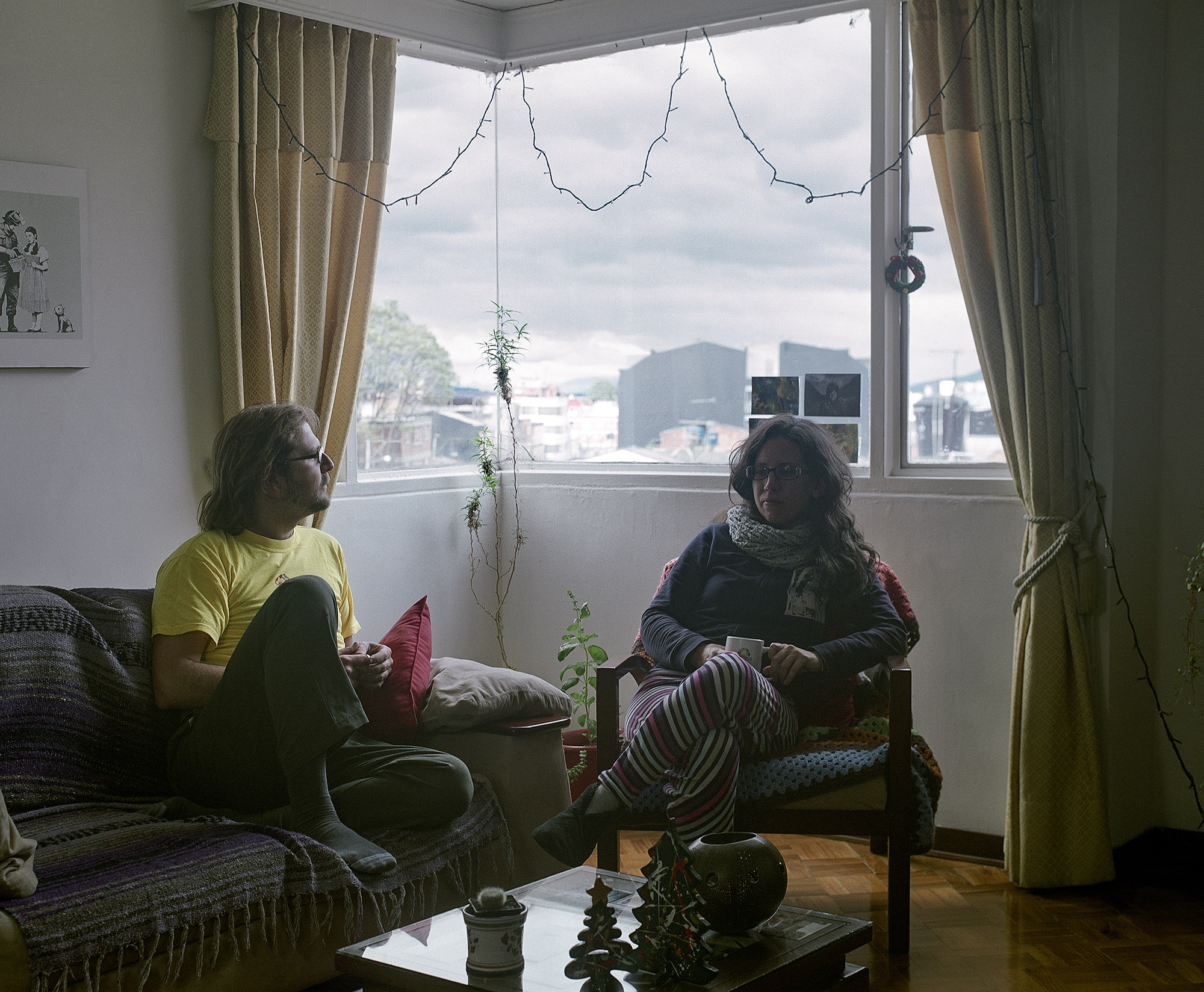
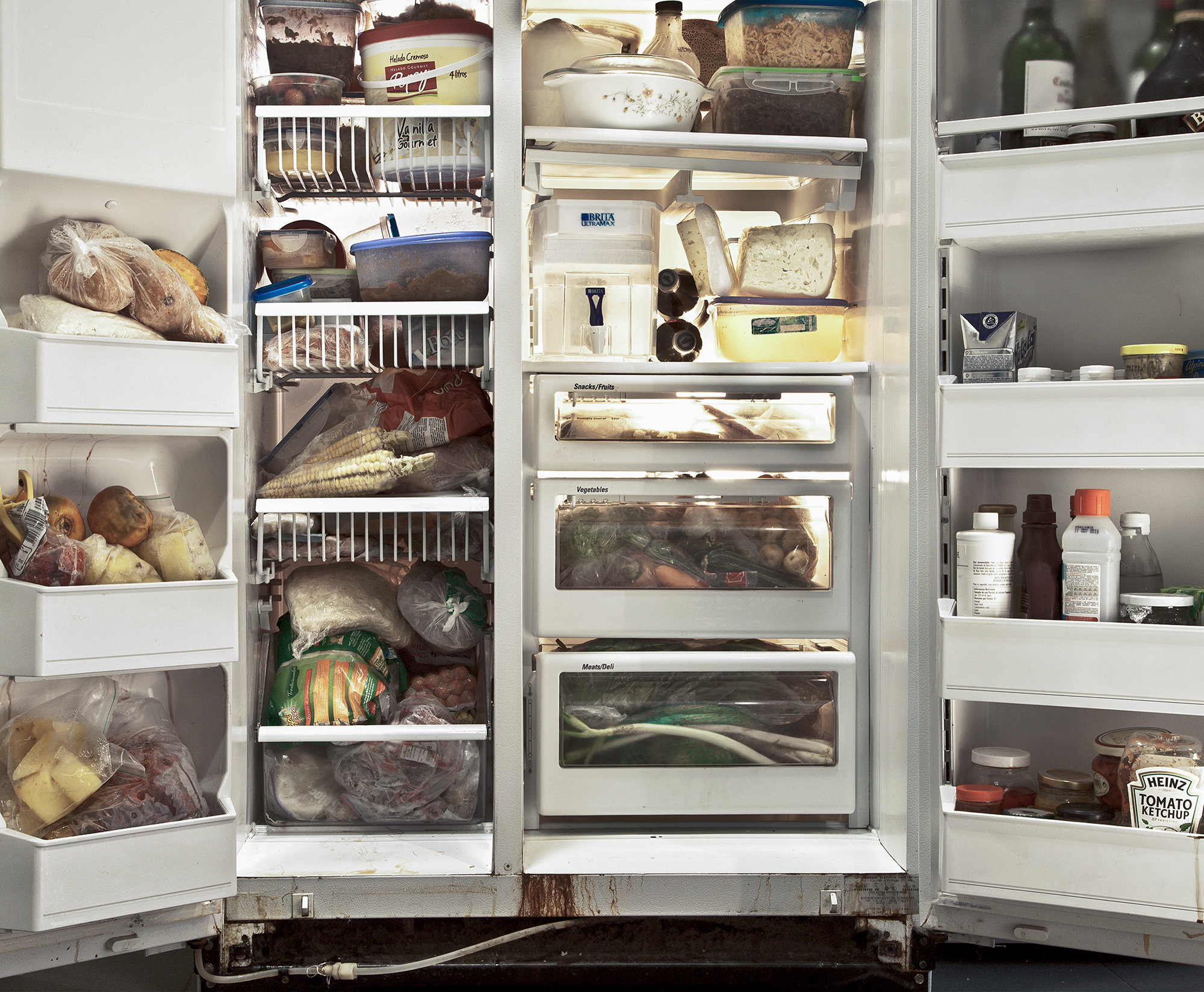
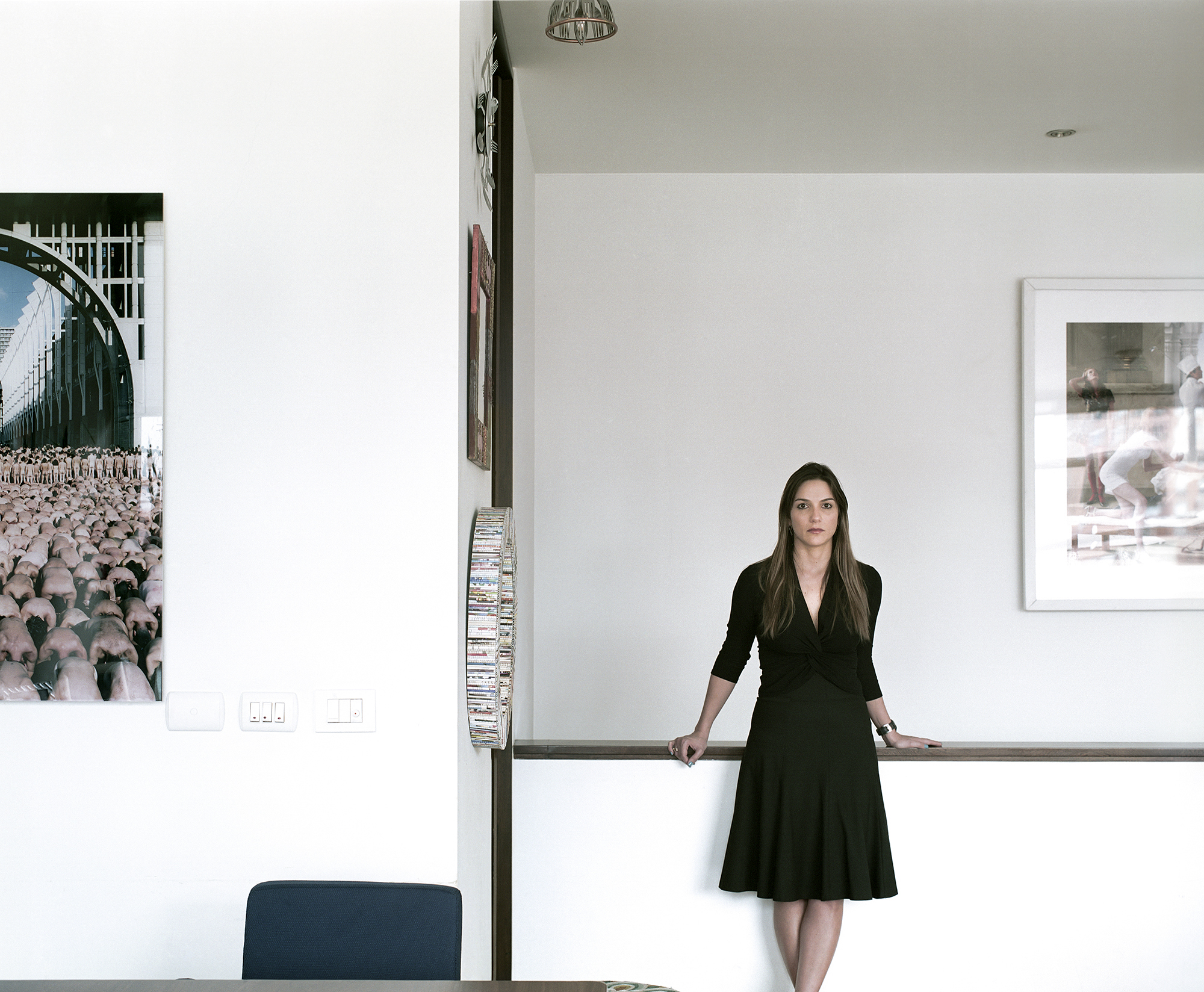
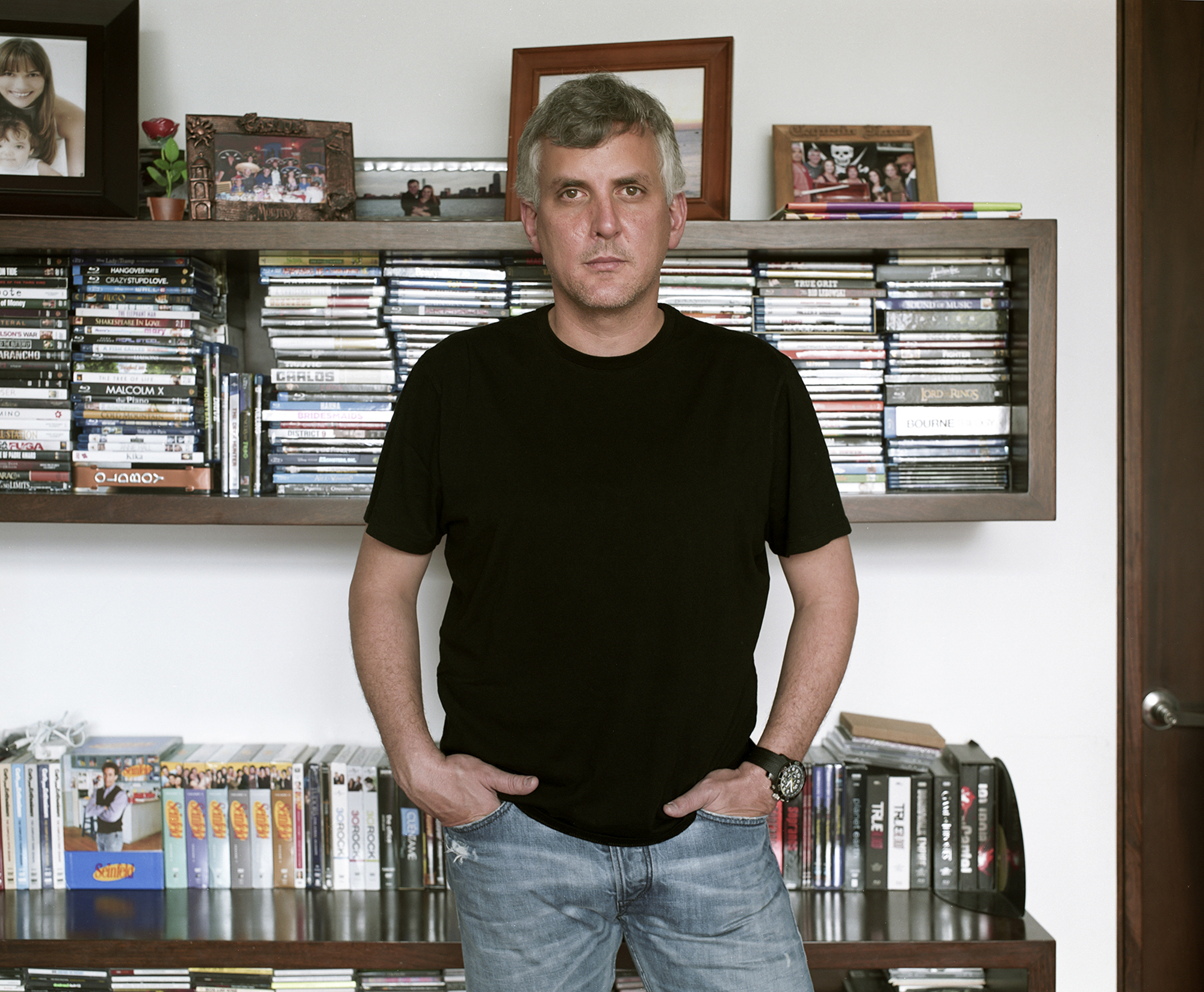
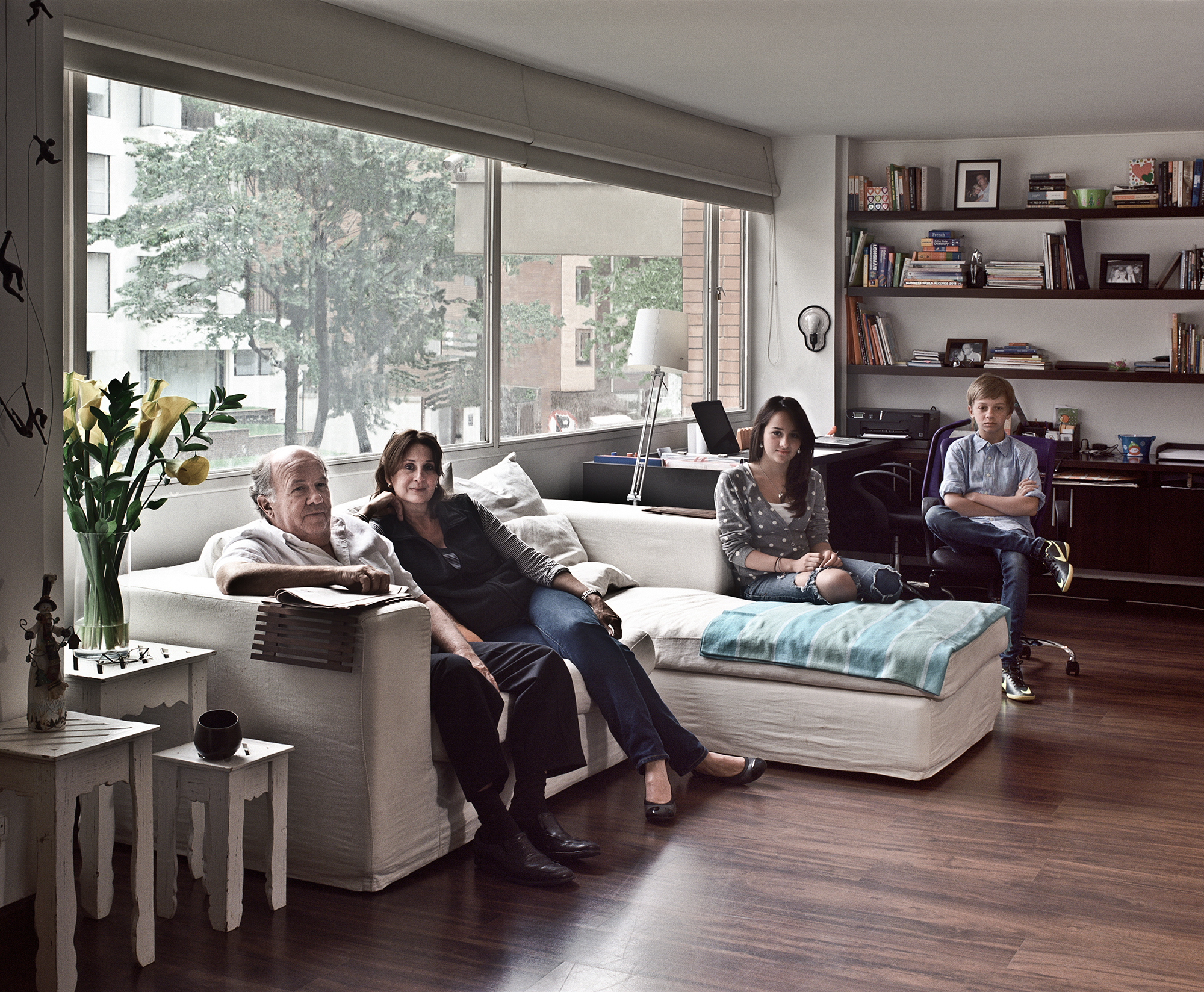
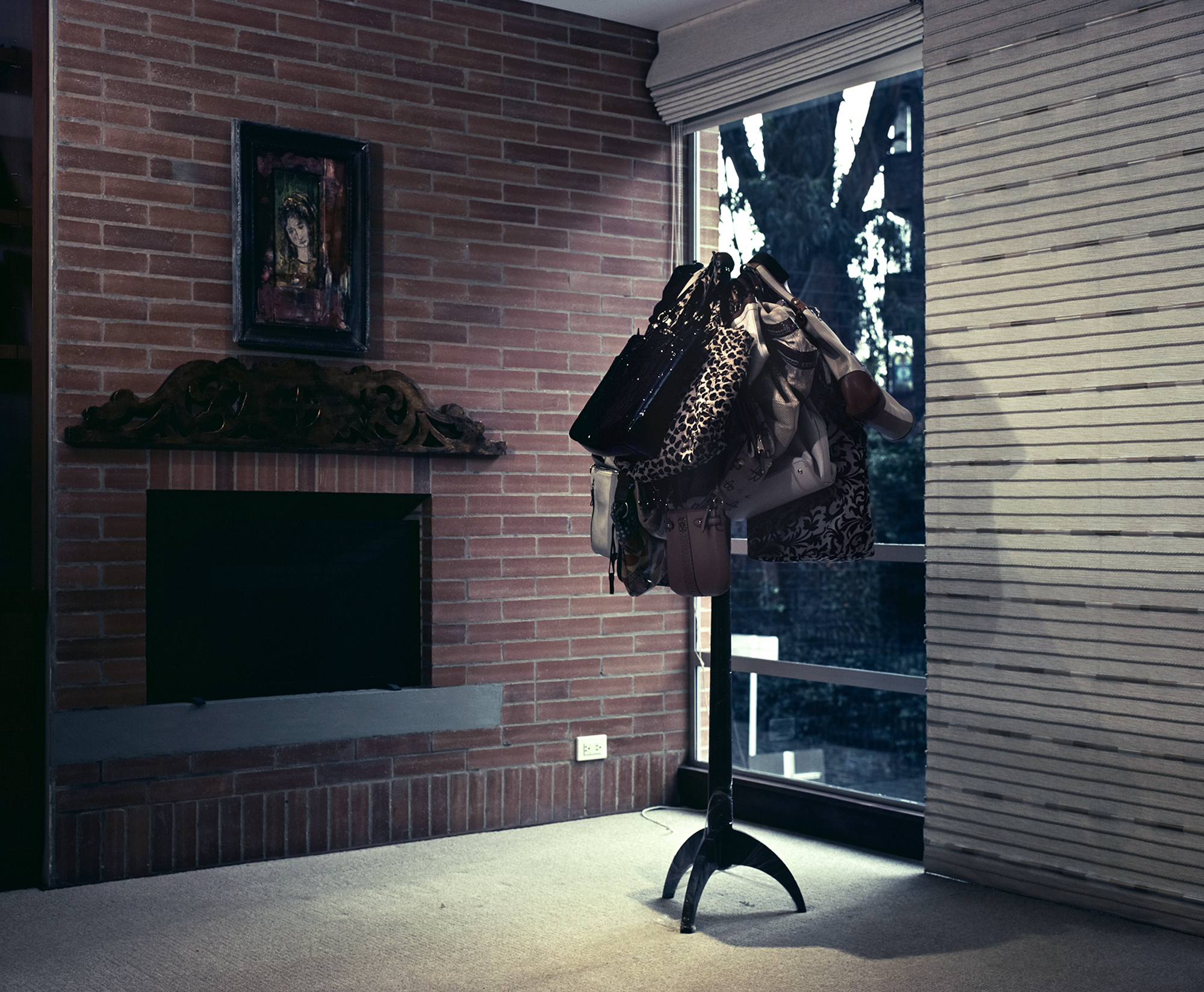
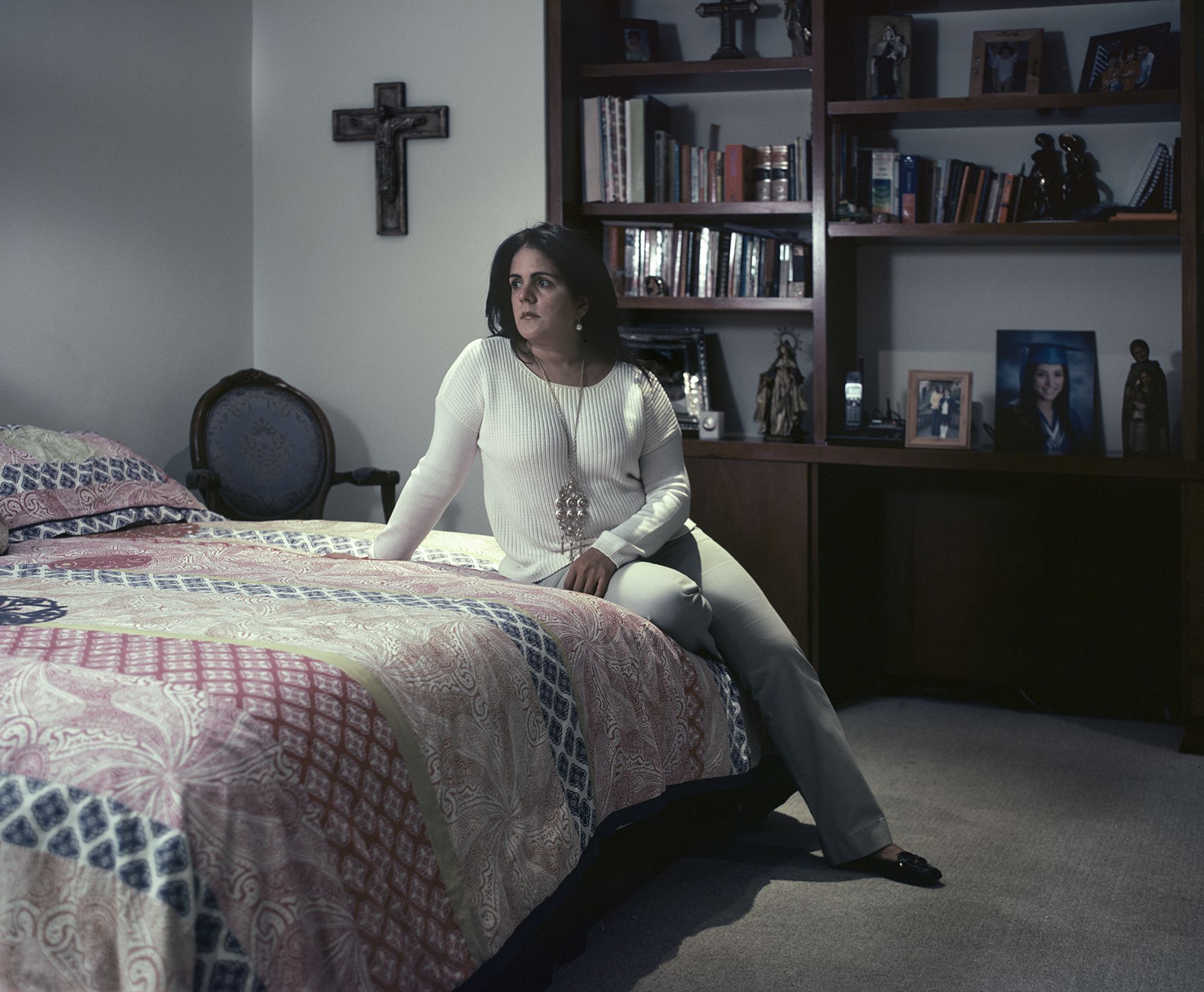
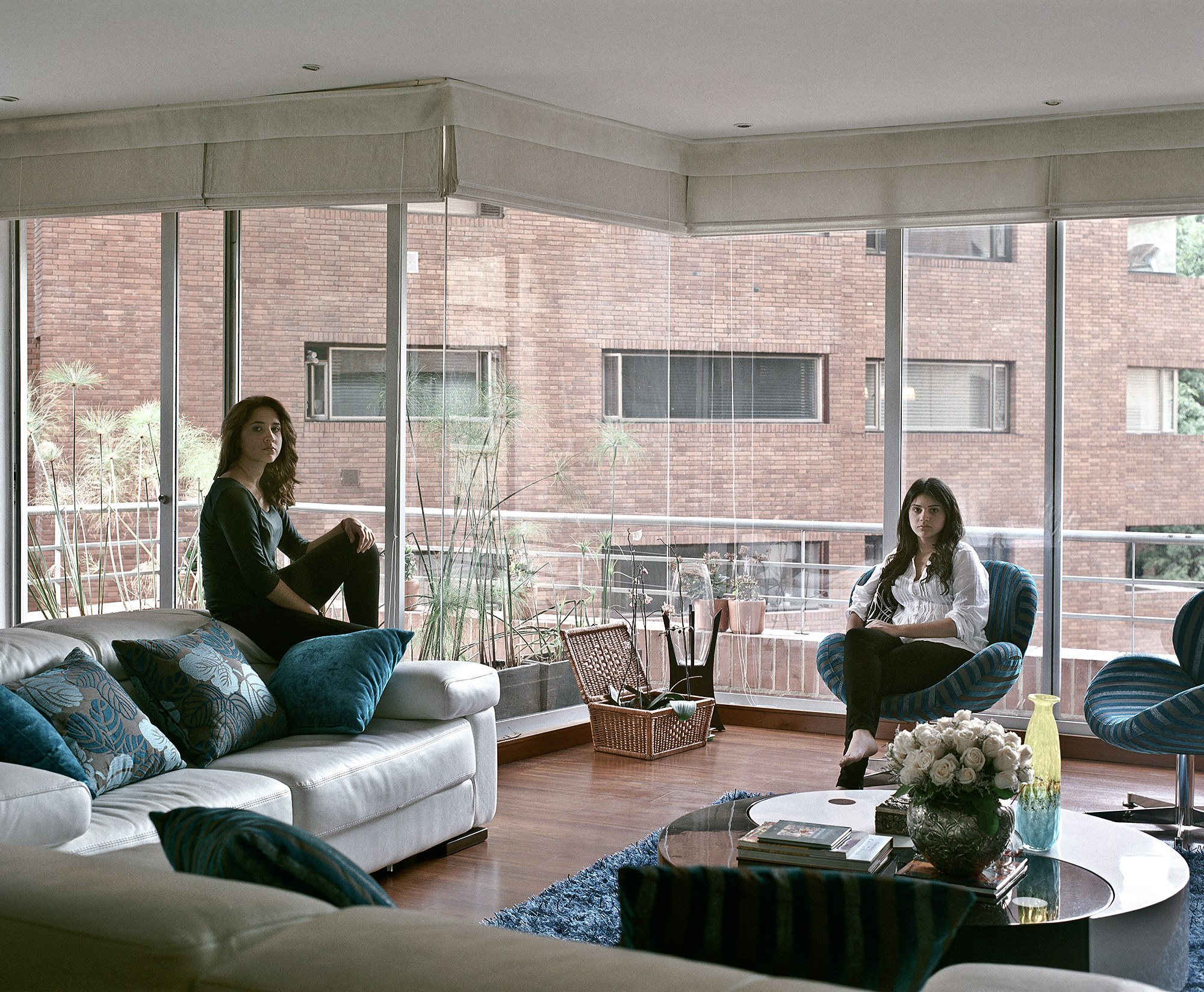
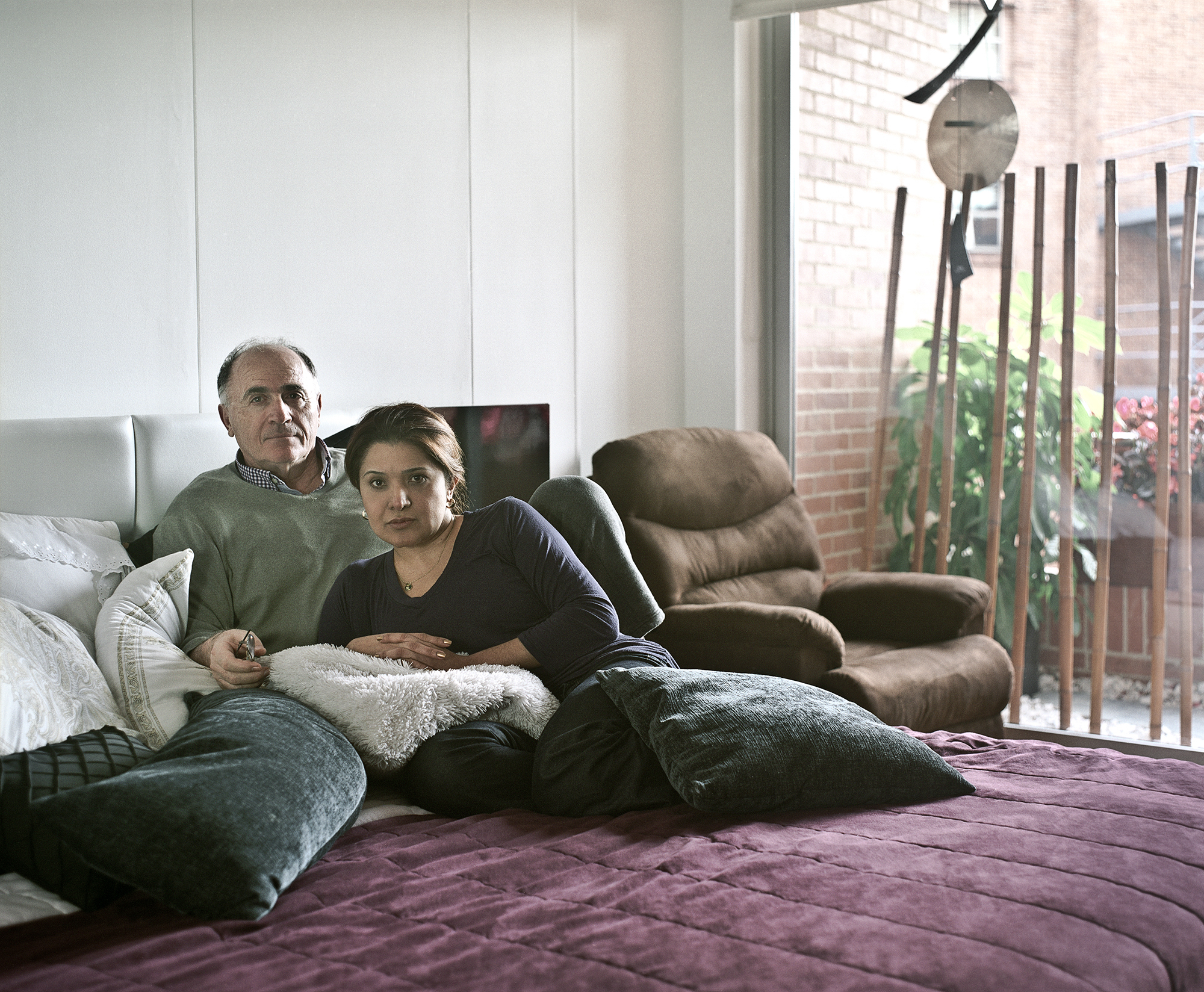
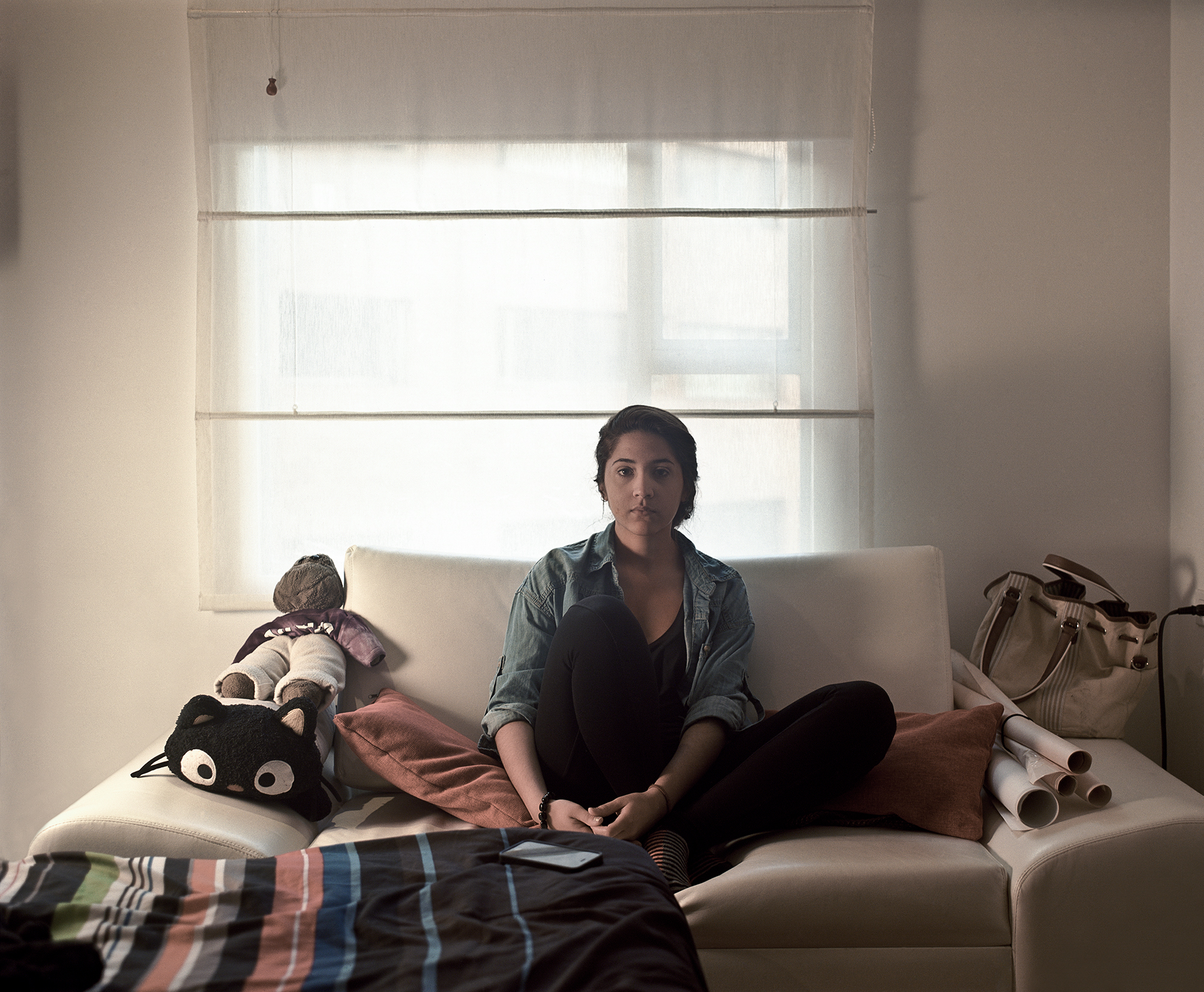
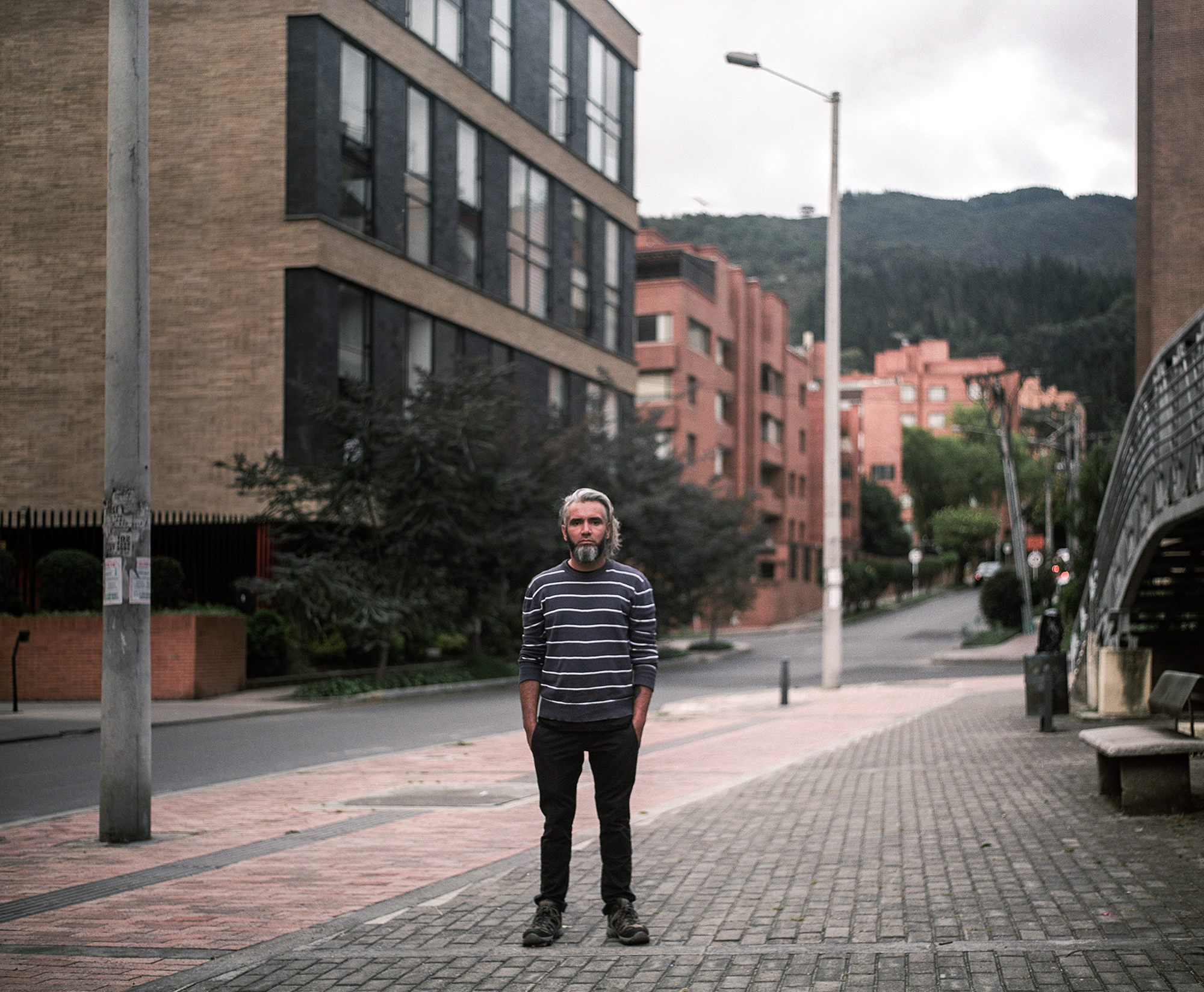
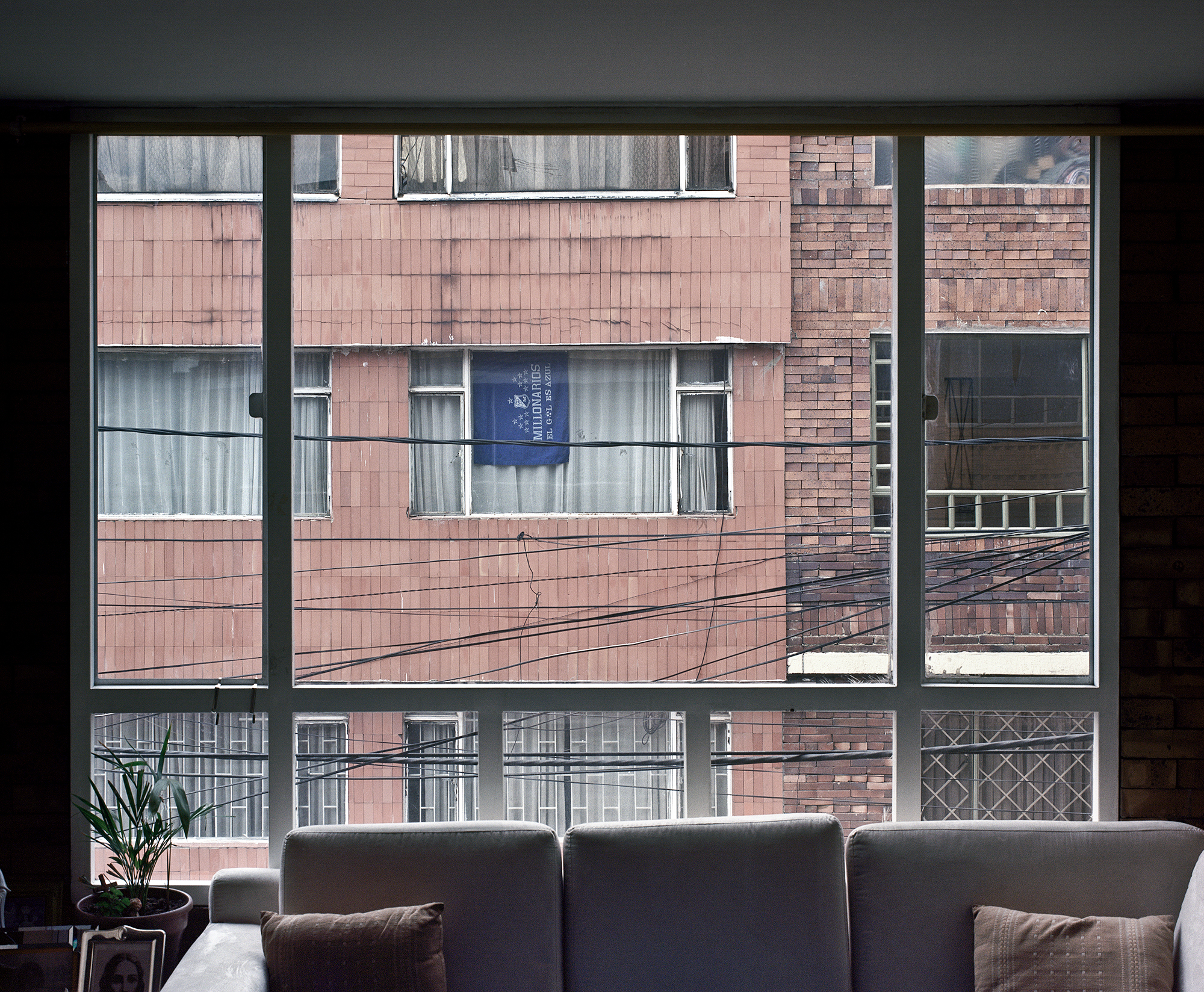
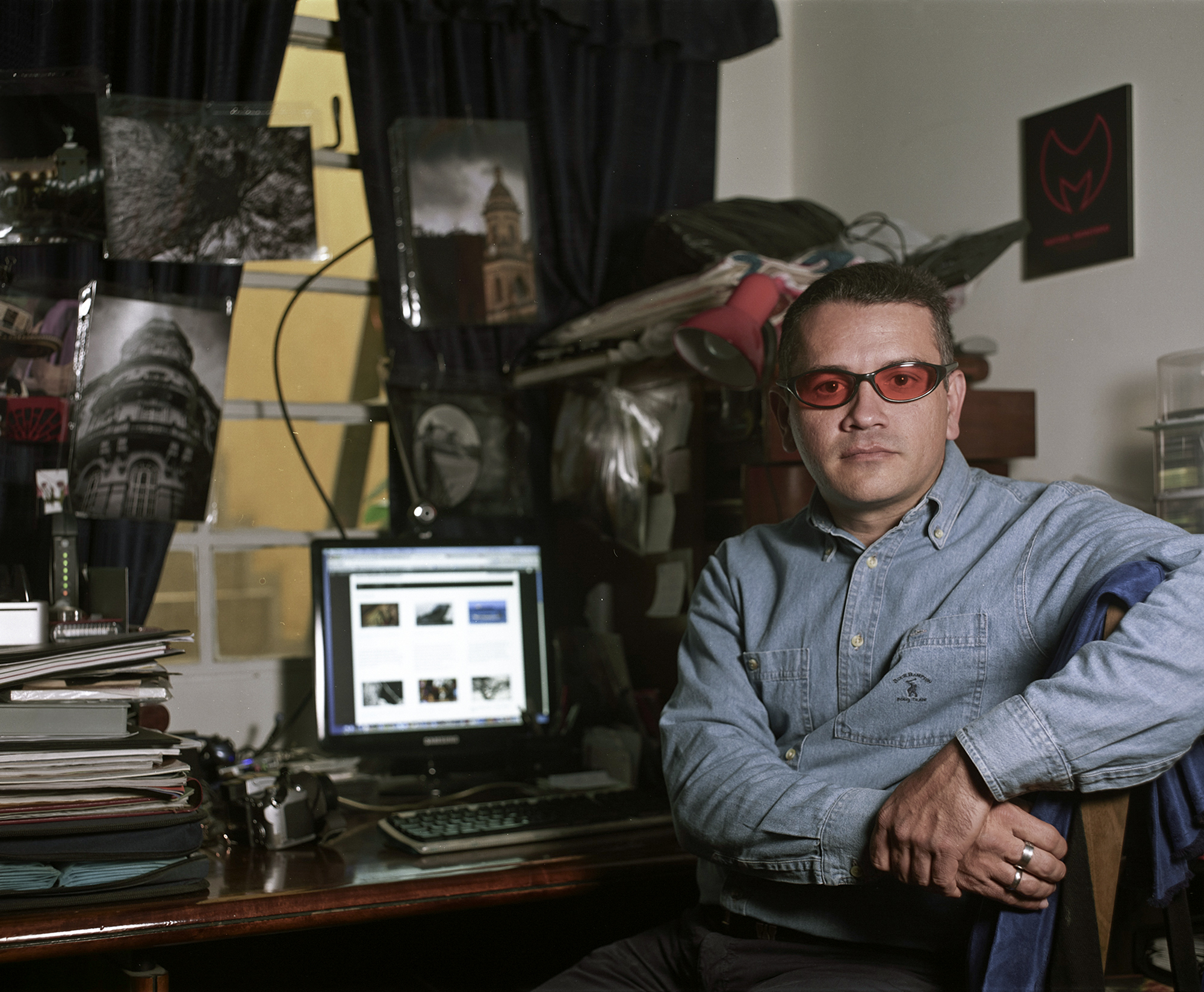
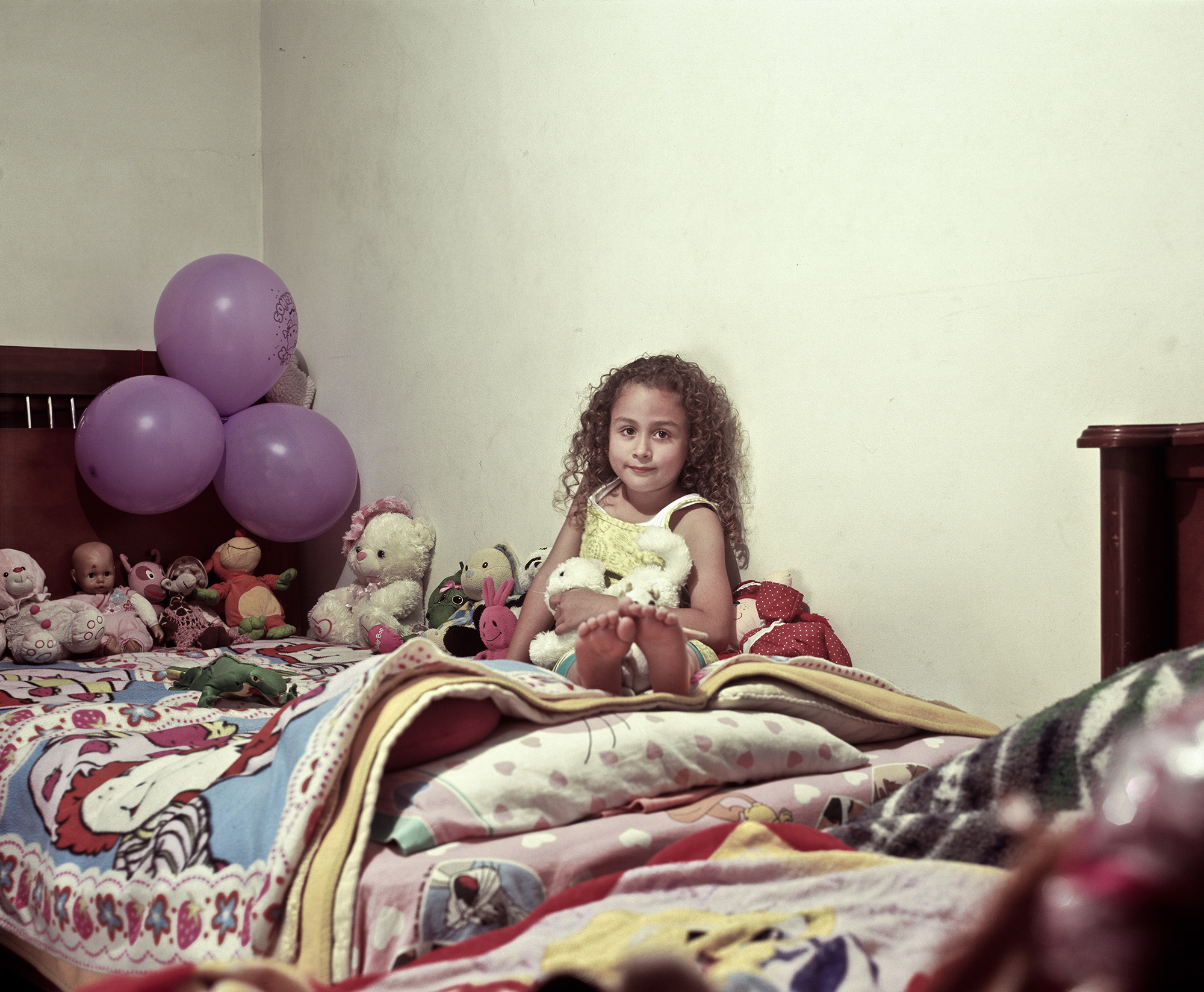
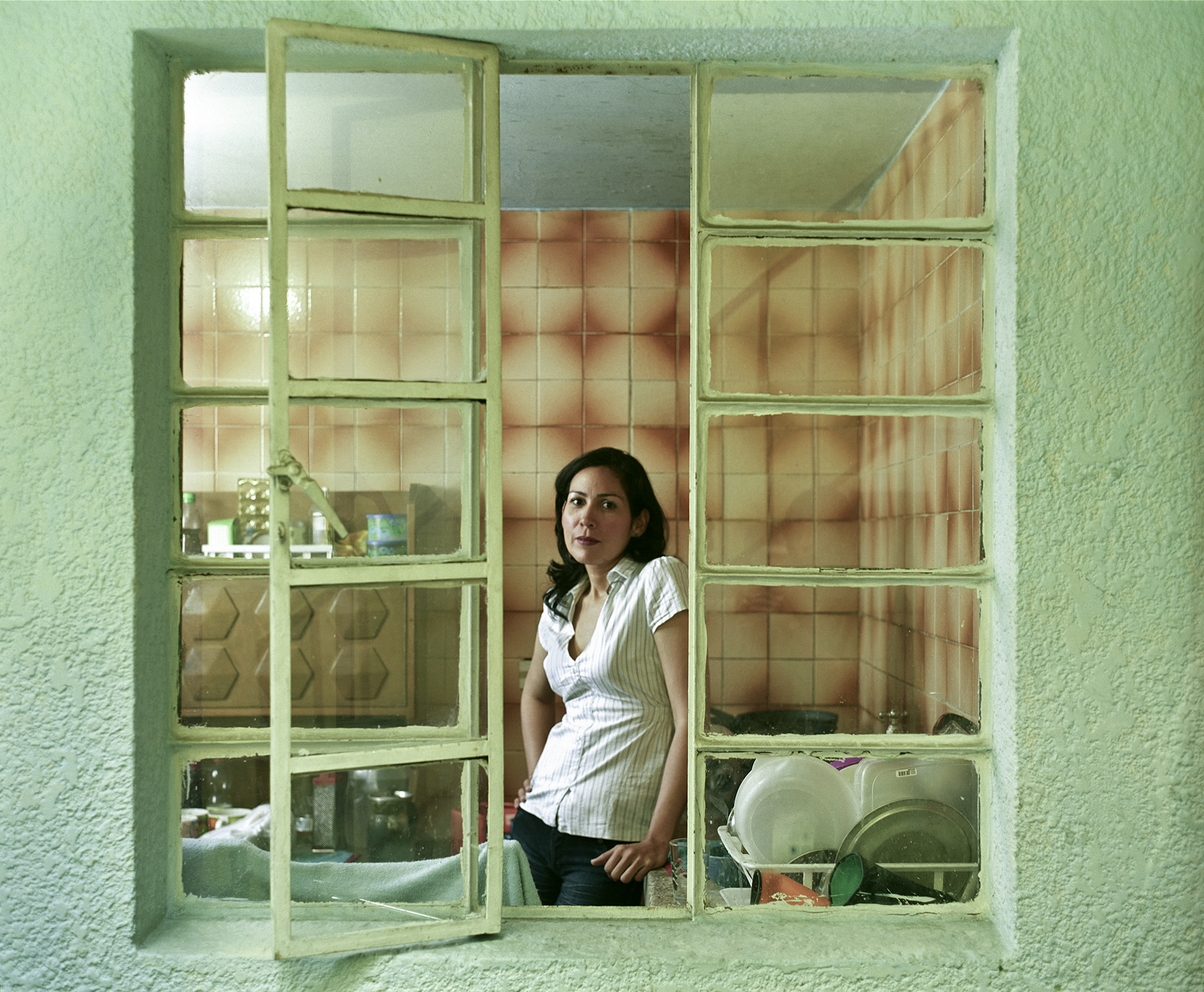
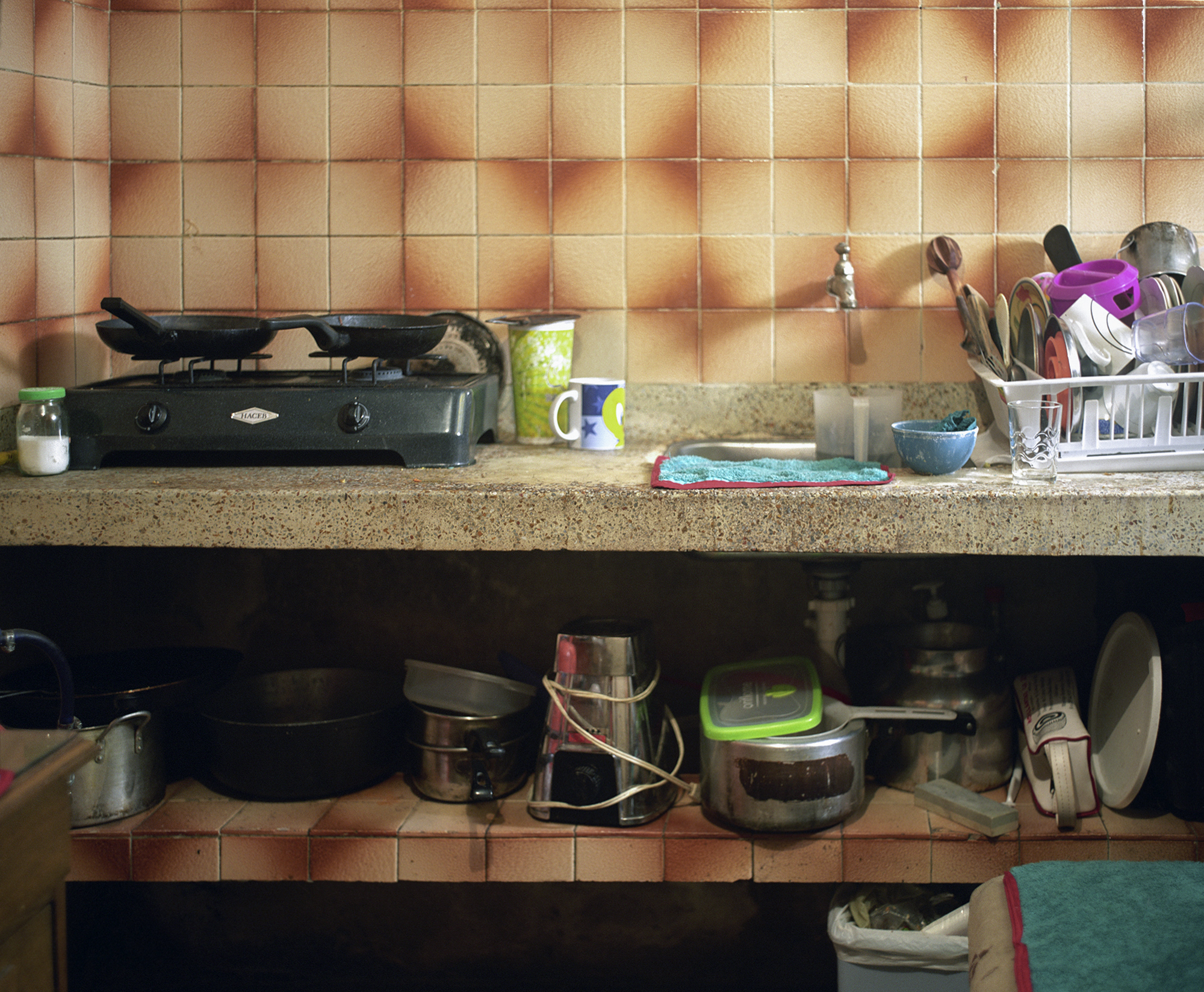
All of this happens in Bogotá because, over the past five years, large numbers of Venezuelans have migrated to Colombian territory — the reverse of what happened in the 1970s, when Colombians migrated to Venezuela for social and economic reasons. Today, Venezuelans are building a new life in a space close to their country of origin. What images hang on the walls of their homes? What products do they keep in their refrigerators? What photographs rest in their memory? What clothes hang in their closets? What customs do they keep, and which do they change? Venezuela peers into Bogotá, and the intimate regional space is thrown slightly out of order.
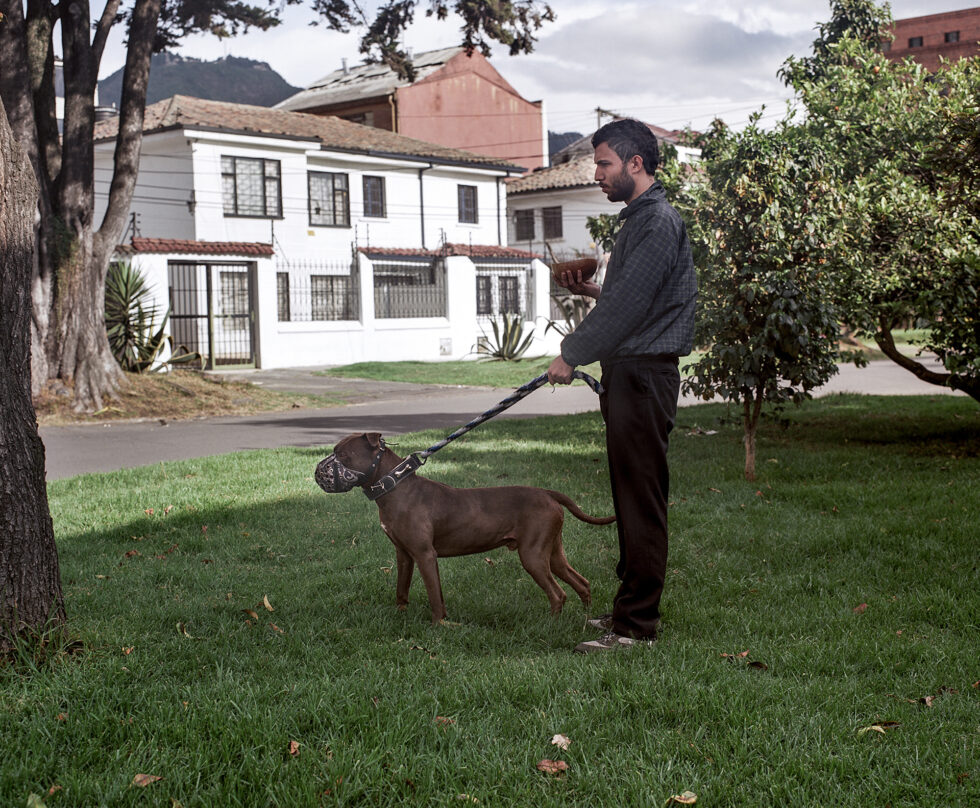
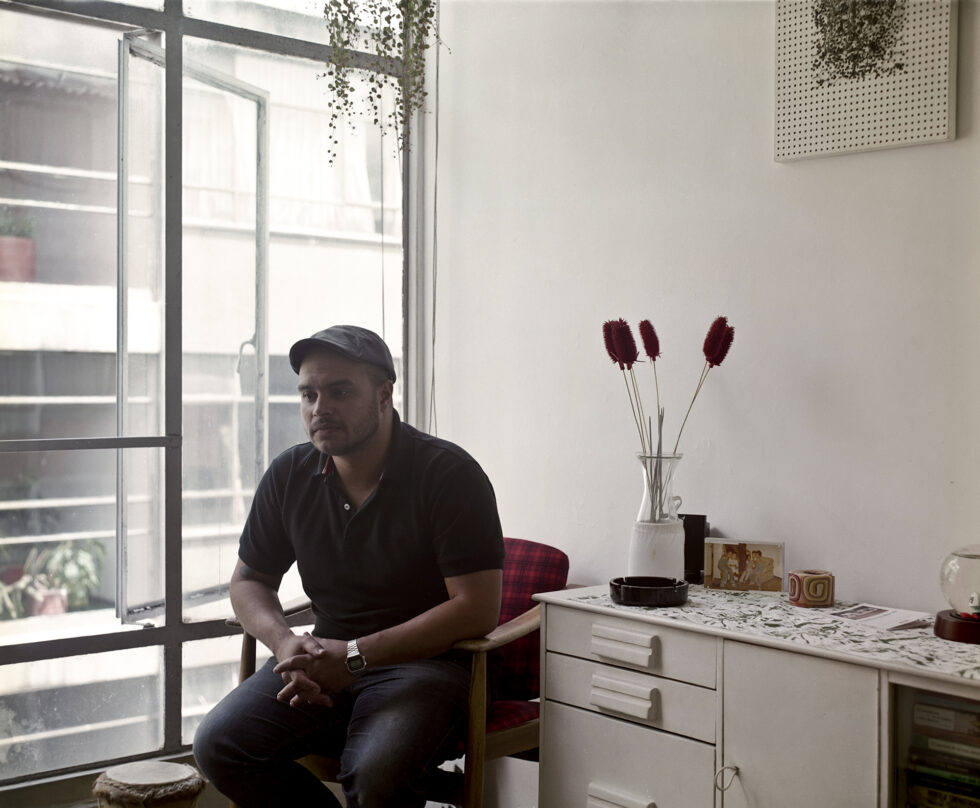
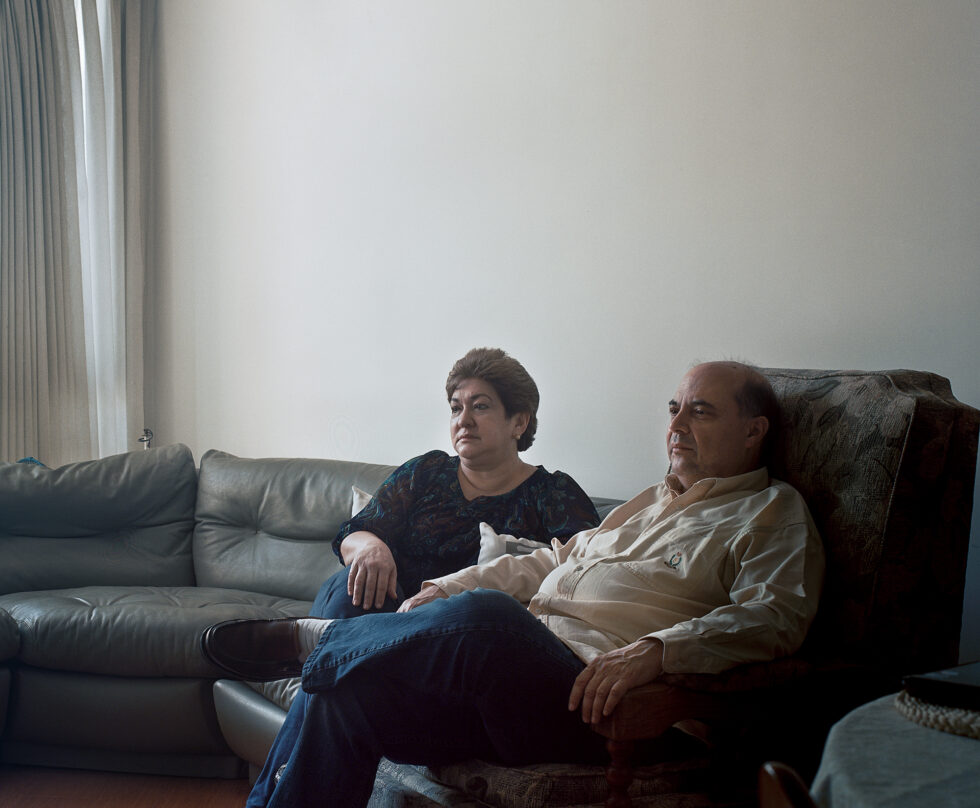
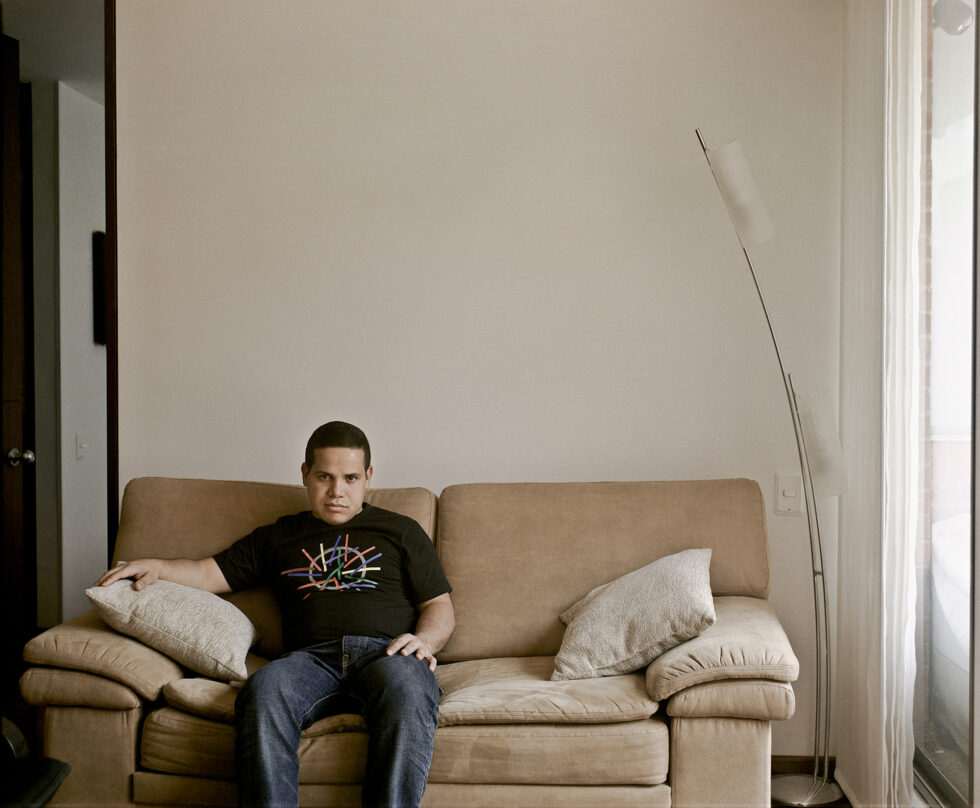
In each photograph of Intimate Geographies, a private pause unfolds, revealing the migrant’s new state of life. All these portraits together construct the shared memory of Venezuelans in Bogotá. The silent photographs are also in dialogue with the testimonial voice of those portrayed. How does a person’s voice help us uncover what is happening in their life? What is that person, held still in the photograph, looking for in Bogotá? Work, education, political ideas, social security, economic stability?
It’s interesting to see how each person portrayed connects with their fellow countrymen, and in turn with the Colombians attending this “family” album — a portrait of a group of individuals in a shared situation.
Bogotá, 2011
_________________
[1] Venezuelan candies.
[2] fried cheese sticks.
[3] Corn flatbread.
[4] Porpcorn.
[5] A traditional Venezuelan dish similar to tamale.
[6] Bananos
[7] Advocacy of the Lady of the Rosary of Chiquinquirá.
[8] A mop.
[9] Tipical dish made with tender corn.
[10] Buddy
[11] Lovely
[12] Sun
[13] freezing cold!